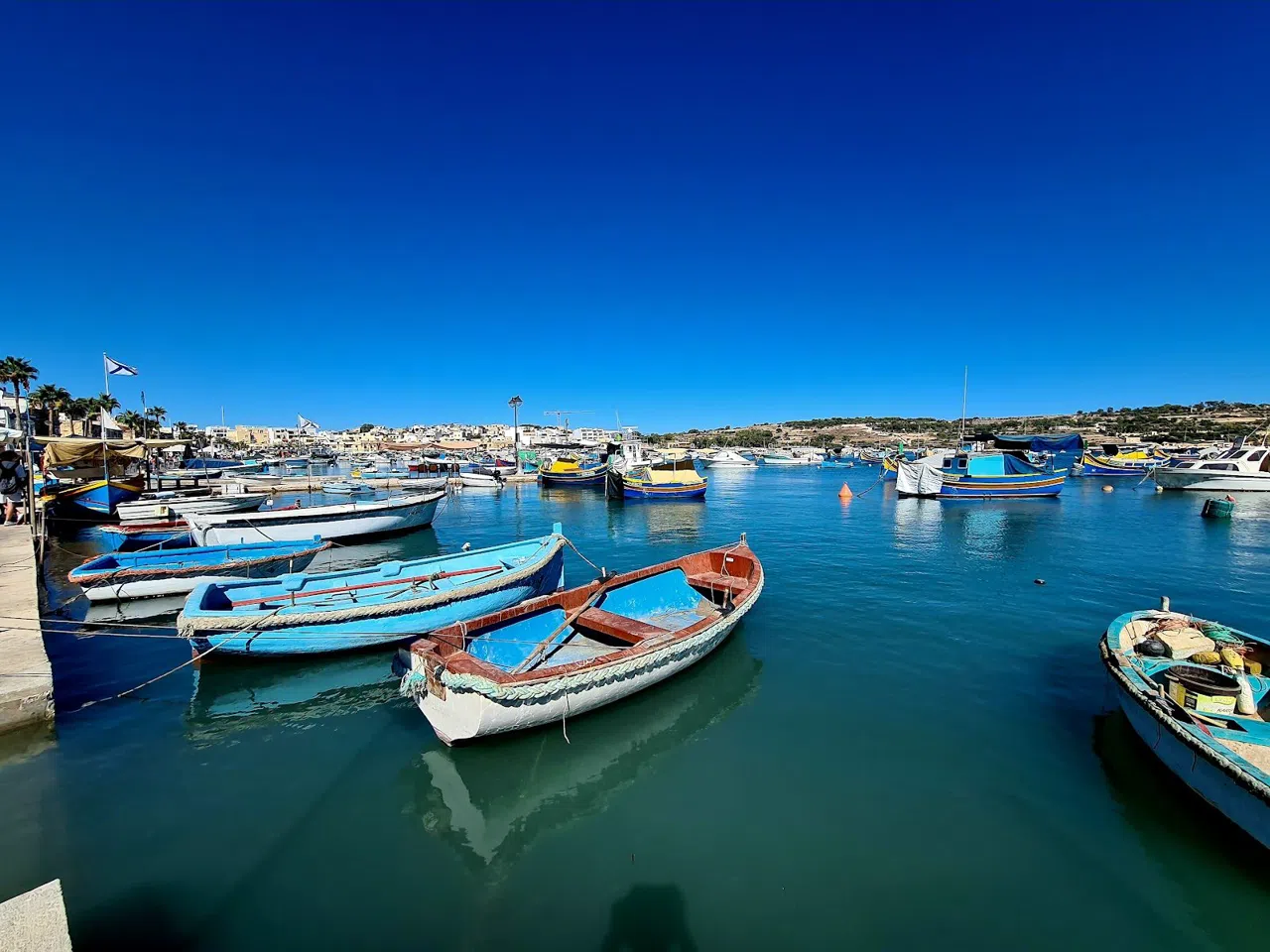

At half past seven the quay smells of diesel and crushed ice, the painted luzzus turn slowly on their moorings, and two men sort a crate of fish onto the kerb without looking up. The first coach is still two hours away. The gap between a village working and a village being visited is the reason to come to Marsaxlokk, and a fixed itinerary rarely leaves room for it.
What the harbour actually is
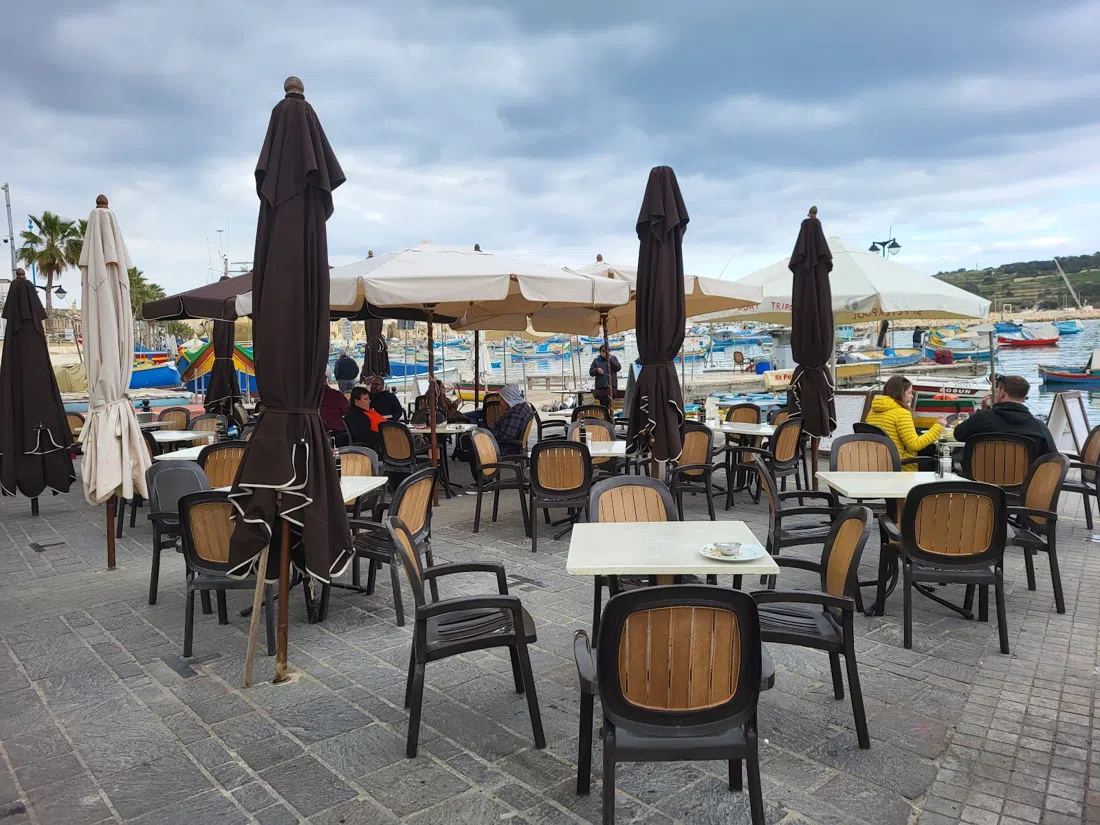
Marsaxlokk Harbour and the Xatt is-Sajjieda promenade (the waterfront strip that is, in practice, the entire village) is the attraction itself. There is no gate, no ticket and no door policy: it is a public quay, free at every hour, and you can walk its full length in twenty to thirty minutes at a pace that lets you stop and look at things.
What separates it from a restored heritage harbour is that the boats still fish. You will see fuel drums, working rope, ice going aboard rather than coming ashore, nets laid out on the stone, and the painted eye on each bow that belongs to the boat rather than to a postcard. None of it is put on for you. On a normal morning the crews are finishing rather than starting, which is why an early arrival sees more activity than a mid-morning one.
The coaches unload at the Xerriex end and walk the front from there. The promenade is long enough to absorb them, but the narrow section in front of the restaurants bottlenecks badly, and once three parties overlap you spend more time stepping around umbrellas than looking at boats. If you are on the quay when that happens, walk out towards the far end and let the wave pass; it usually clears in twenty minutes.
The market changes shape depending on the day
The Marsaxlokk Sunday Market, known locally as Il-Monti (the full length of the promenade) is the real fish market. Stalls are set up from dawn, the good catch is gone by about 09:00, and the coaches start arriving from around 09:30. To see the fish market as fishermen and local cooks use it, be there between roughly 07:00 and 09:00 on a Sunday. Fish is sold by the kilo and most stalls take cash only.
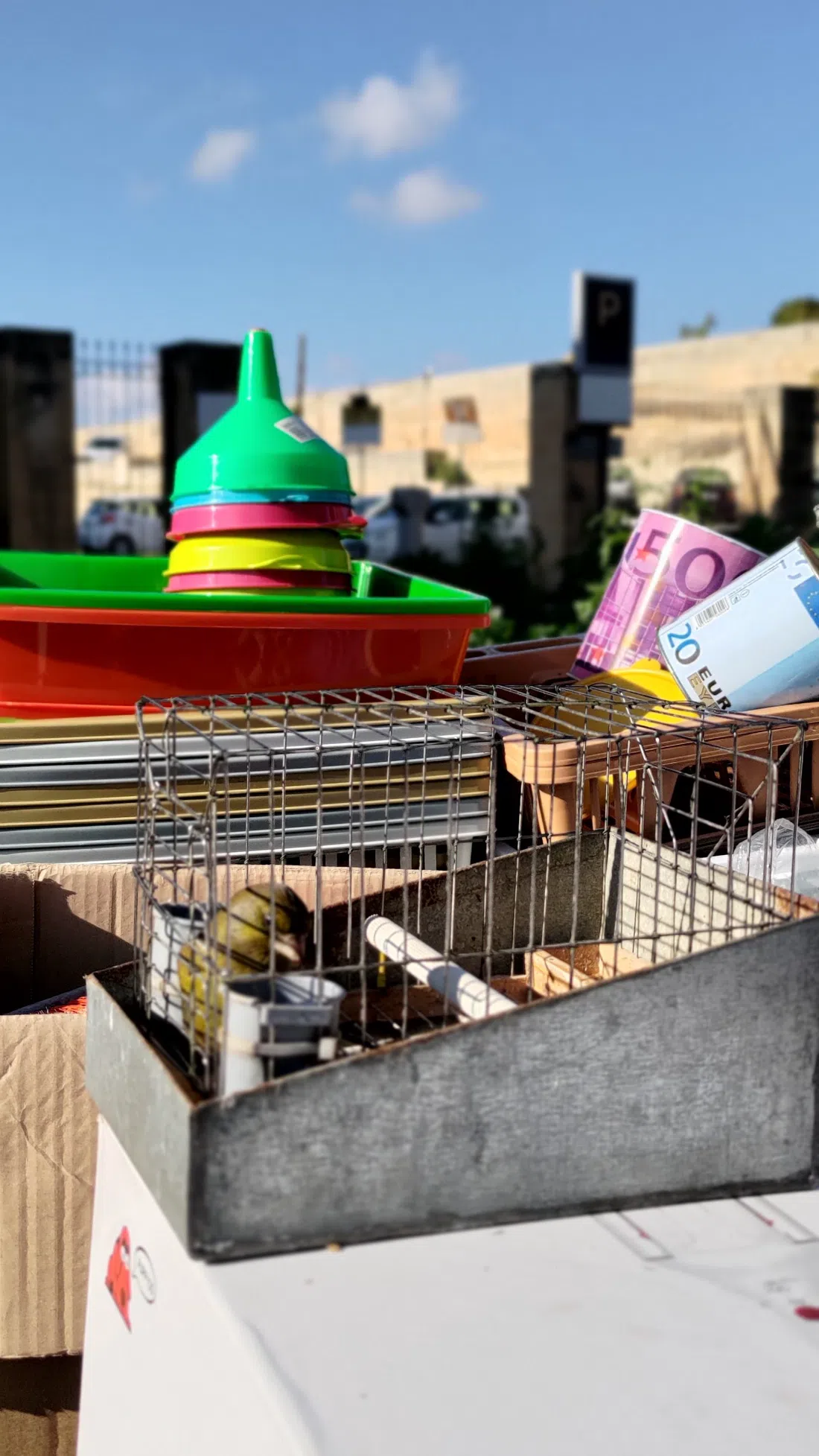
On other days it works differently, and that catches people out. A smaller weekday morning fish market runs roughly 07:00 to 10:00; after that, the stalls on the quay are largely souvenirs: linen, lace, sunglasses, fridge magnets. Arrive on a Tuesday at midday expecting the Sunday market and you get a souvenir row with a very good harbour behind it. The harbour is still worth the trip. The market, on that day, is not the reason you came.
The promenade is narrow and effectively single-file when the stalls are up. A group of more than six should split and agree a meeting point at the church end rather than trying to hold formation through it.
Fifteen minutes the coach stop skips
Two minutes off the promenade, the Parish Church of Our Lady of Pompei (just behind the waterfront) is almost always left out of the standard stop. Entry is free, donations welcome. It is a working parish, so go in quietly, keep shoulders and knees covered, and do not walk through during Mass. Fifteen minutes is enough.
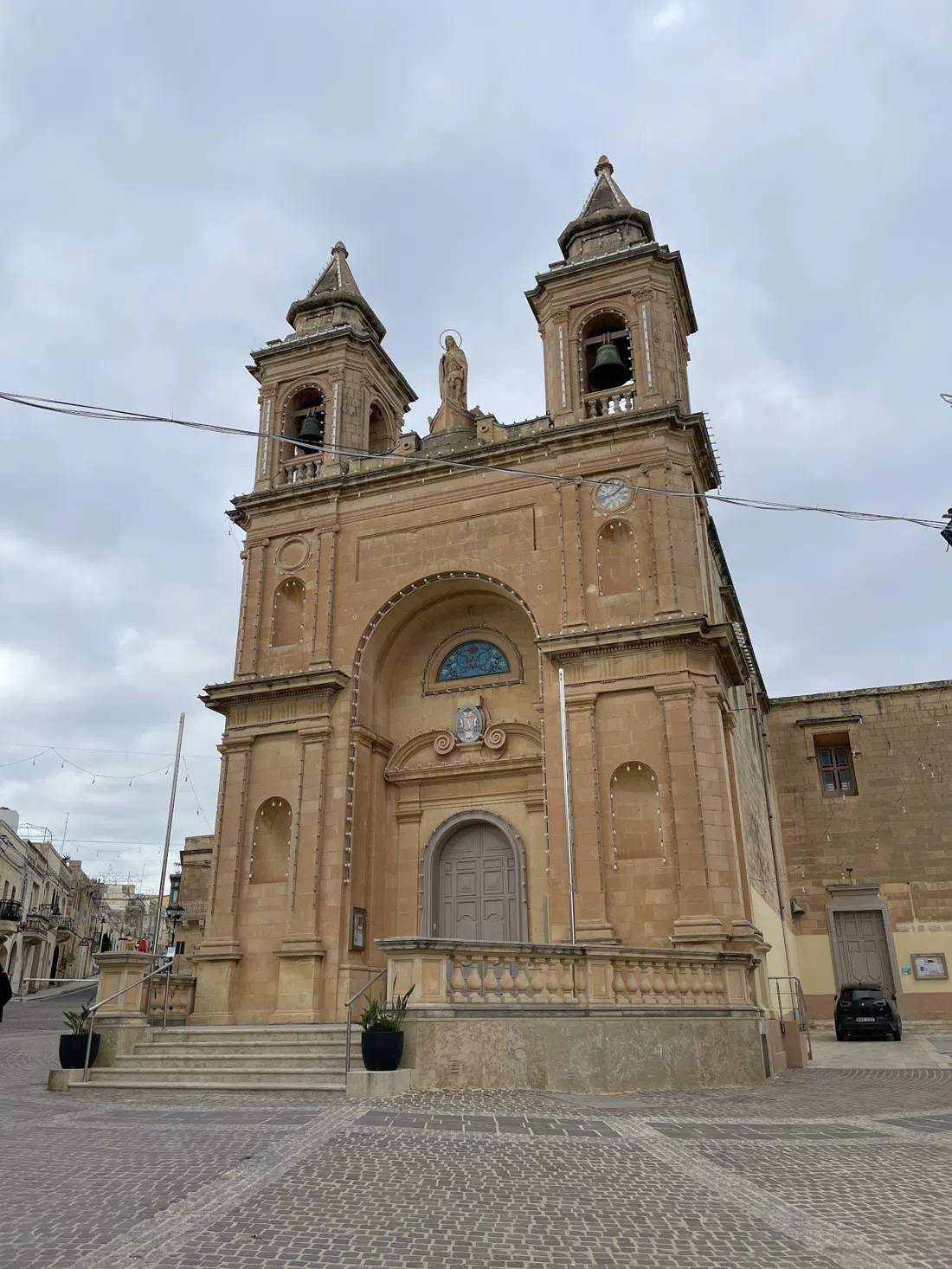
The feast of Our Lady of Pompei falls on 2 August, when the village is unrecognisably busy. If you want the unhurried version of Marsaxlokk, avoid that day. If you want the loud version, book for it.
Getting out on the water
Rima Cruises (quay-side, with a fixed departure point on the front) is the Marsaxlokk-based operator to deal with directly. It is family-run, with shared departures through the day plus private charter of the whole boat, which is the practical answer for a group that wants to stay together rather than be split across strangers' timetables.
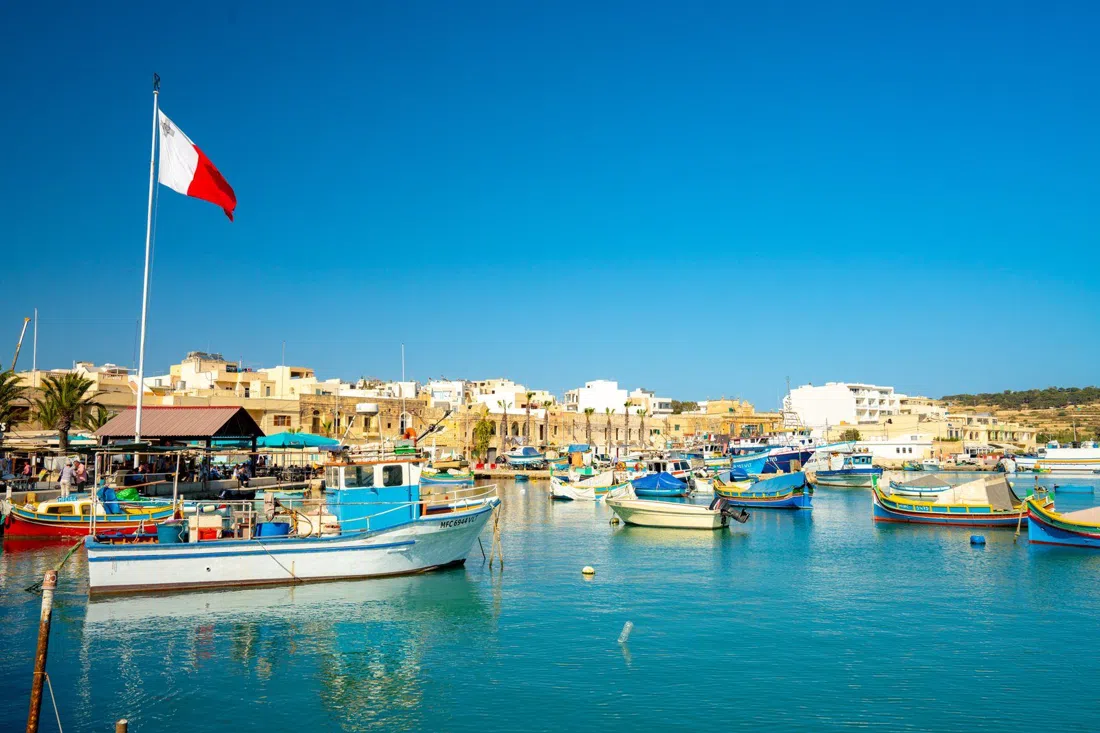
The short run is about €15 per person for the one-hour trip out to St Peter's Pool. Three-bays and sunset trips cost more, and private charter is quoted on request. Boats muster near the flag outside Carrubia, the landmark everyone in the village uses for directions.
If the sea is up, take the crew's judgement rather than your own. A small open boat in swell is not a scenic hour.
The swim at the end of the peninsula
St Peter's Pool, Il-Kalanka ta' Delimara (the Delimara headland, east of the village) is the pairing that turns a market morning into a half-day. It is a natural inlet in flat rock with deep clear water and a cliff edge people jump from. It is free, always open and completely unmanaged: no lifeguard, no shade, no toilet, no café, no anything. Bring water, and be honest with yourself about the jumping, because there is no supervision and no easy exit if it goes wrong.
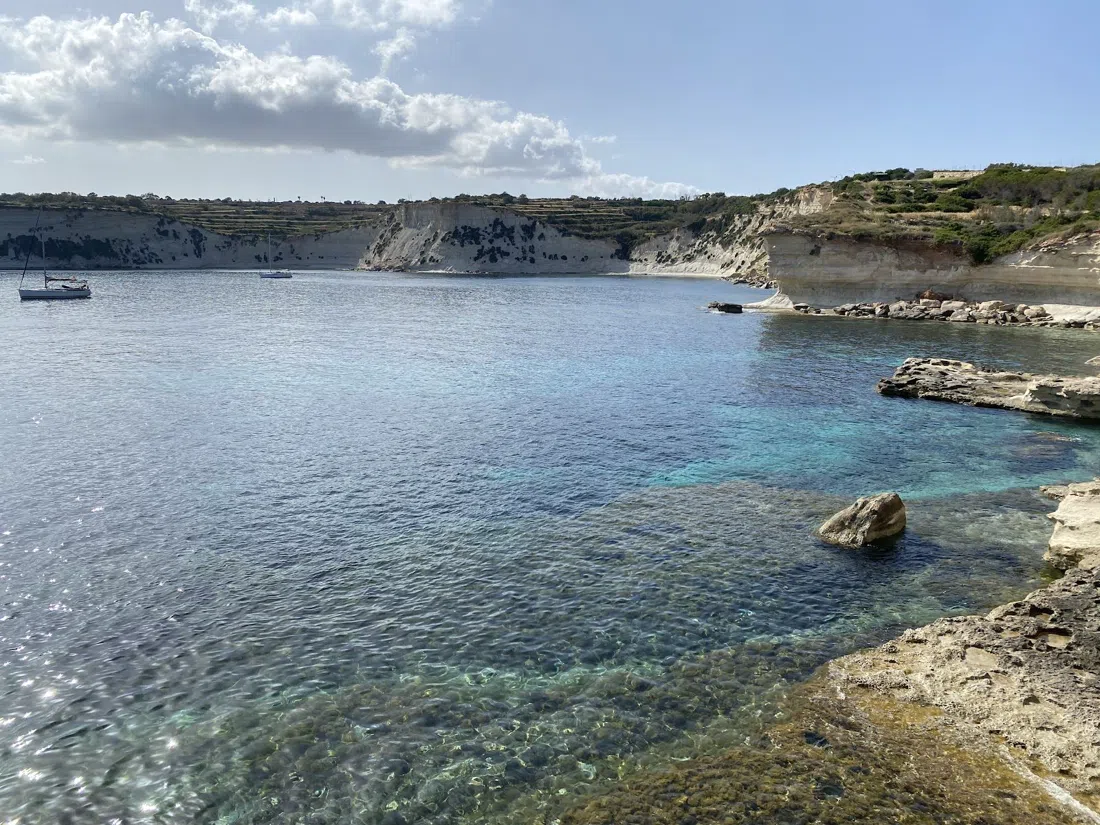
Access is the constraint. The dirt car park charges about €3 in peak season and holds only fifteen to twenty cars; on summer weekends it is full by 09:00, and the road down is not one you want to reverse a hire car along. A water taxi from the harbour costs roughly €10 to €15 per person, sidesteps the parking problem entirely and is the better call in July and August.
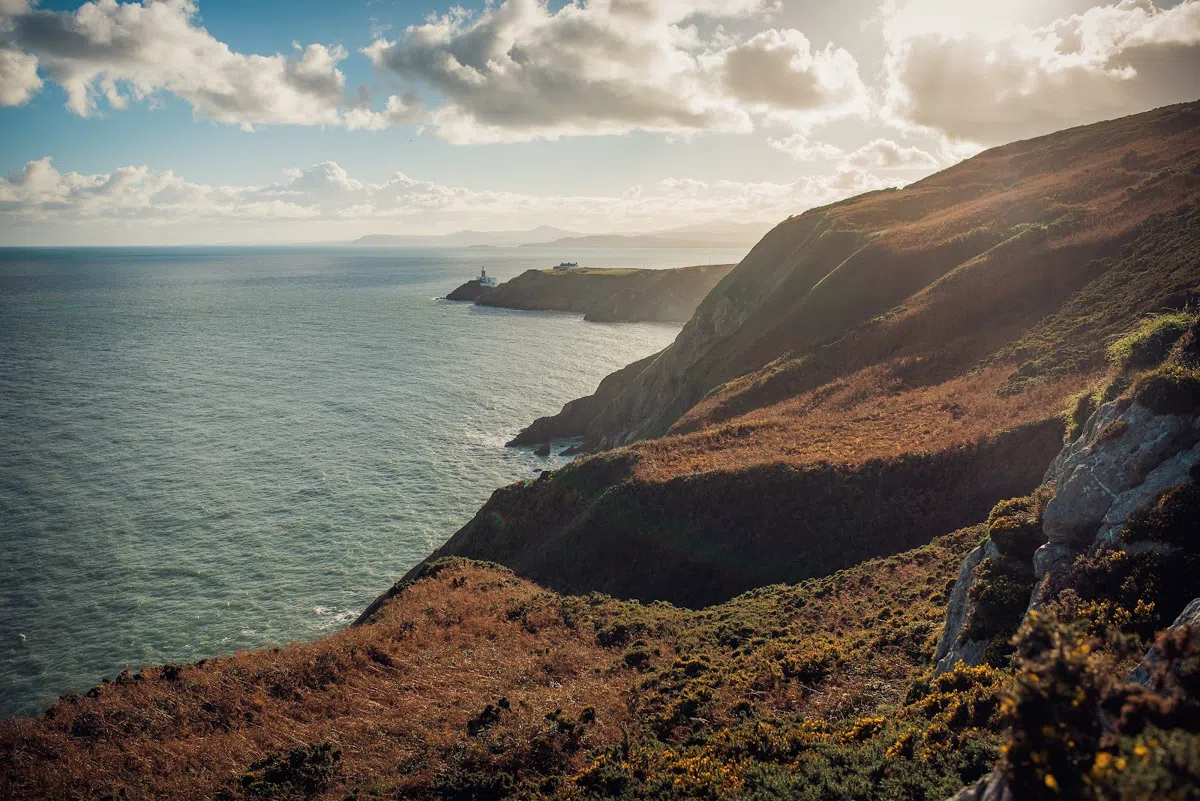
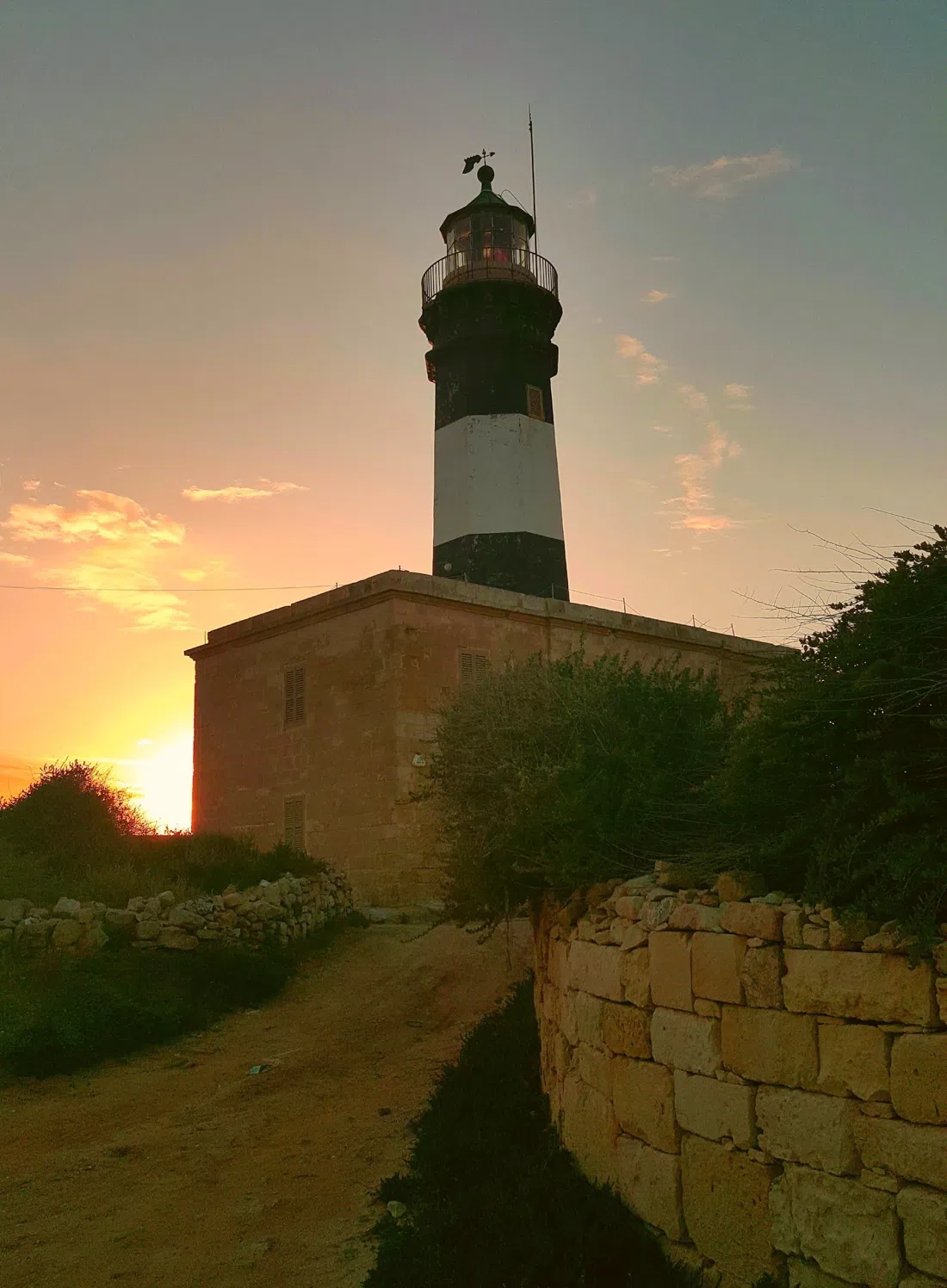
From the pool, Delimara Lighthouse (the tip of the Delimara peninsula) is a twelve-minute walk across the headland. The restored building is now a private holiday let, so there is no public interior visit. You walk to it, you look at it and at the sea beside it, and you walk back. On a clear morning that is a reasonable use of half an hour, but it is not a site visit.
Where to eat on the front
The quay has four or five serious options and they suit very different parties.
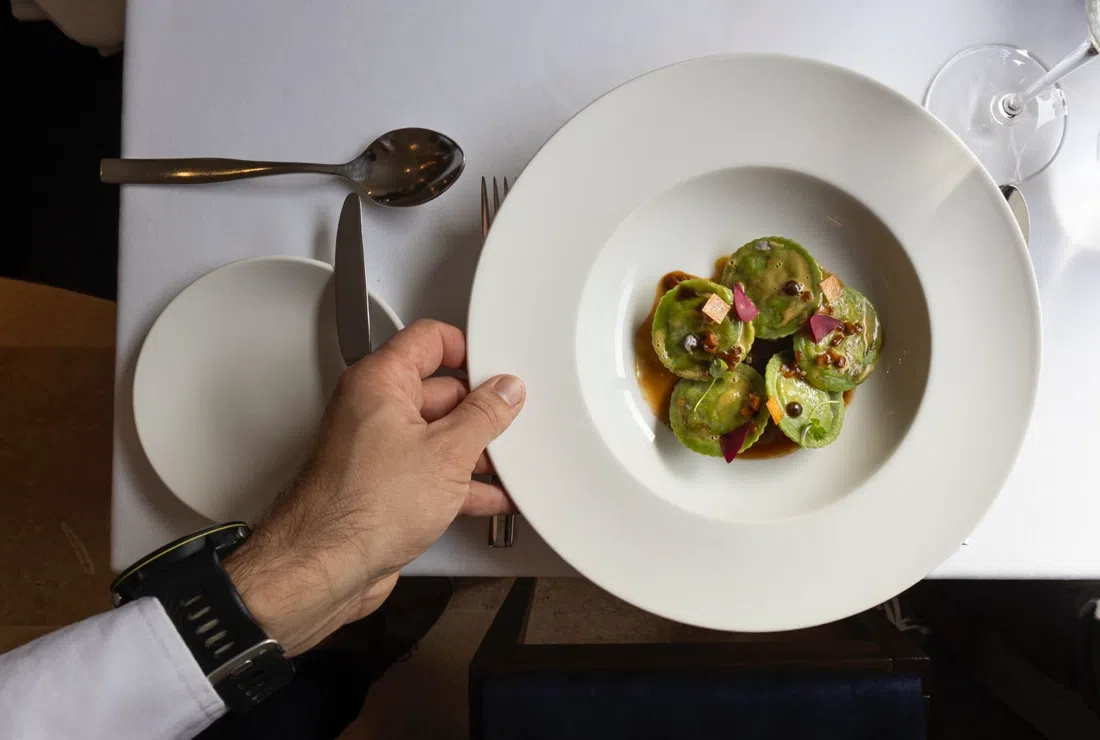
Tartarun (on the quay) is the MICHELIN Guide entry and the answer to whether there is anywhere genuinely serious to eat here. It is small and reservation-led, best for two to six, and at the upper end of village prices. Check the days before you plan around it: it is closed Monday and Thursday, and Sunday is lunch only, which is exactly the day most people turn up assuming an evening table on the water.
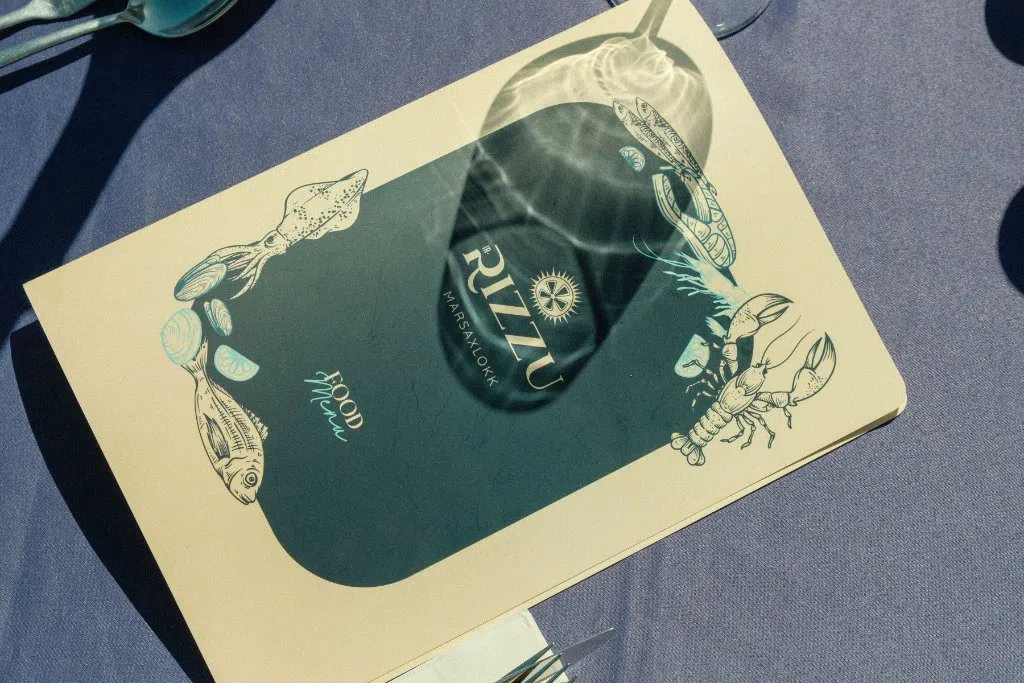
Ir-Rizzu (harbour front) is the long-established family restaurant and handles larger tables routinely. Book through their own site, especially for Sunday lunch. The actual experience is the open kitchen and choosing your own fish, which is priced by weight, so confirm the price per kilo before you nod at the fish rather than after. It runs lunch and dinner except Sunday evenings, and closes on public holidays.
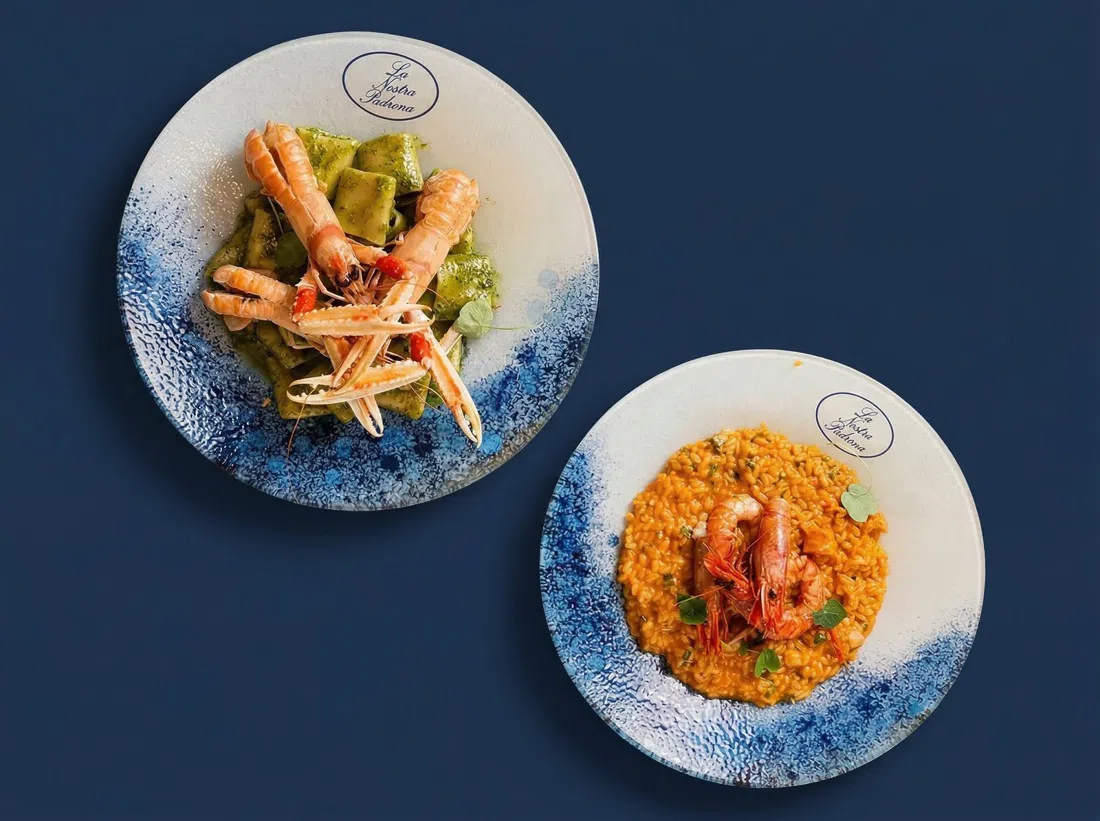
La Nostra Padrona (harbour front) is the most group-friendly of the serious fish restaurants, open daily from 12:00 to 21:30 and able to take private events. Its real value is the continuous service: at 15:00, when the rest of the quay has shut between sittings, it is still serving, which is precisely when a late-running half-day arrives hungry.
Carrubia Restaurant - Pizzeria (harbour front, the flag everyone navigates by) is open daily from roughly 09:30 to 22:00, has a large terrace, and takes walk-ins and mixed groups without fuss. It is the pragmatic choice when half the party wants fish and the other half wants pizza.
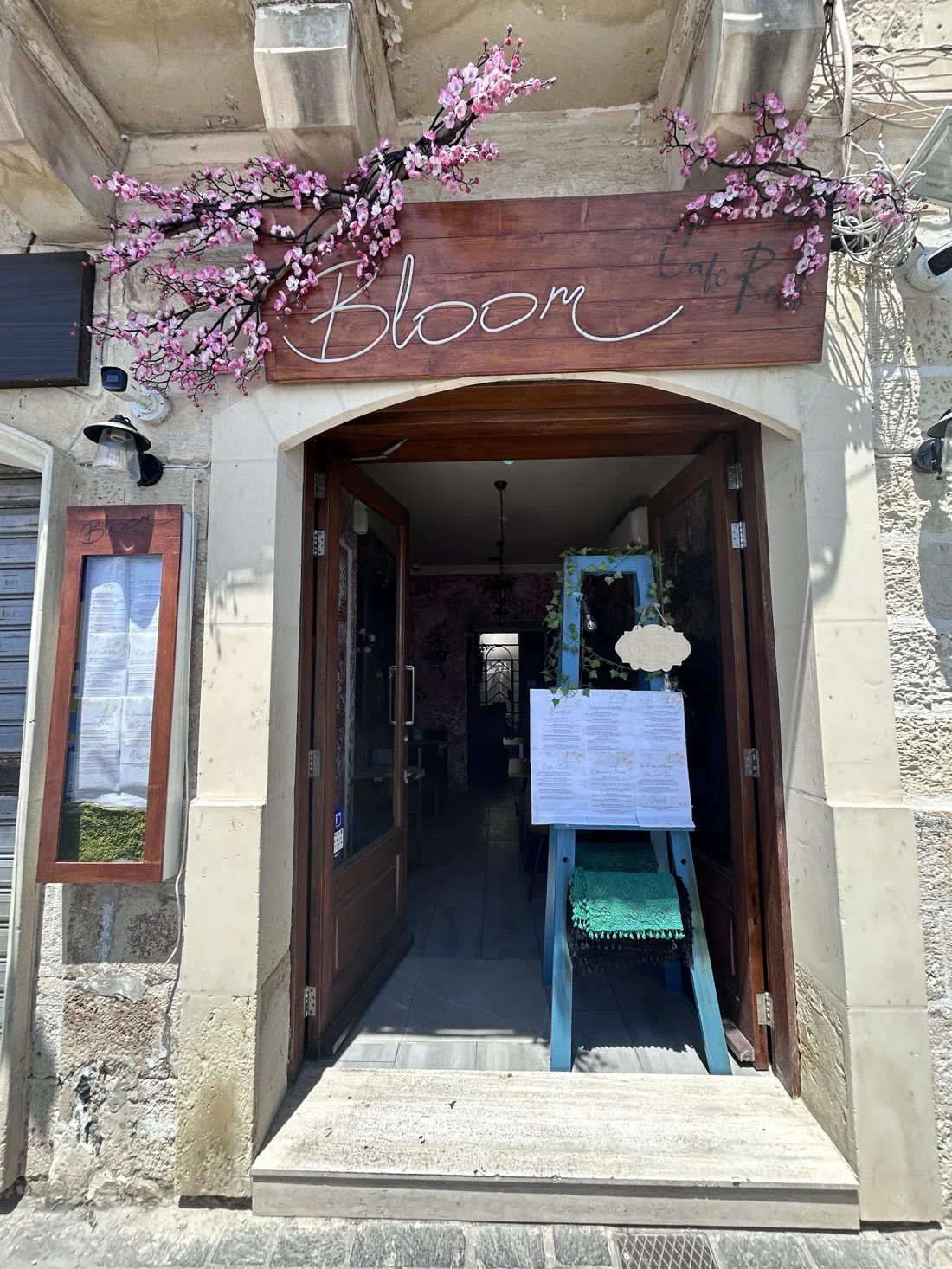
Bloom CafeResto (just off the promenade) is a small room, good for coffee and a sit-down for one or two rather than a party. If you have come in at 07:30 to be ahead of the market, this is where you wait out the hour before the kitchens open.
Making a full day of it
Four places pair sensibly with the harbour, and they are different kinds of commitment.
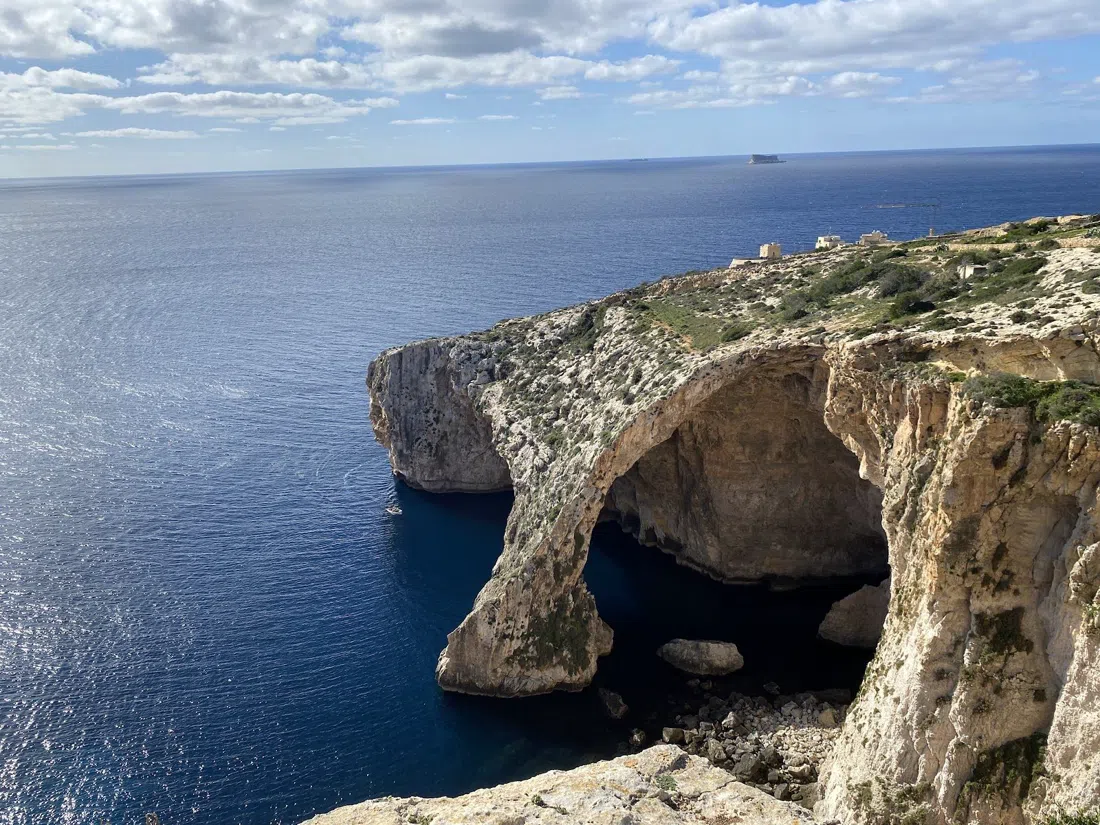
Blue Grotto (the south coast cliffs) is the standard partner stop on a Marsaxlokk half-day. The boats are cooperative-run, first-come at the kiosk with no advance booking, about €10 for an adult and €5 for a child, cash only. The clifftop viewpoint costs nothing. The trip is only twenty to twenty-five minutes on the water, and it is cancelled outright in swell, so treat it as a maybe rather than a fixed point in the plan. Go between 09:00 and noon, when the light gets into the caves and produces the blue everyone came for. A group will be split across several small boats.
Ħaġar Qim and Mnajdra Temples (the south coast clifftop, above the same stretch of sea) is a second stop in its own right rather than a bolt-on to a market morning. Allow two to two and a half hours for both temples and the visitor centre, which includes a museum and a 4D film. Entry is €10 for an adult, covering both temples and the centre, and the ticket desk takes card only. In summer, go at 09:00: the clifftop path between the two temples has no shade at all.
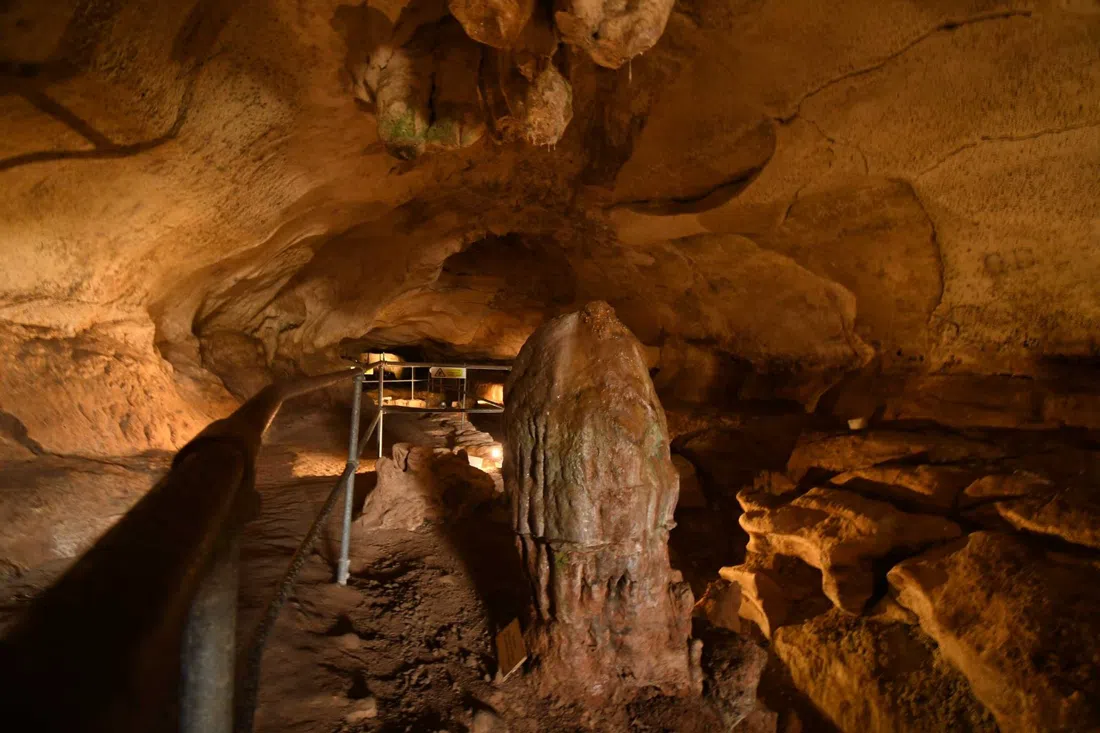
Għar Dalam Cave and Museum (about ten minutes around the bay) is the rainy-hour fallback, and a good one: a prehistoric cave with a Heritage Malta museum, audio guides in ten languages, parking, a café and accessible toilets. Entry is €6.50 adult, €5 youth, senior or student, €4 for children aged 6 to 11, under-6 free, and it is combined with the adjacent Borġ in-Nadur site. It is free on the first Sunday of the month. It closes on Mondays, so check the live hours before routing anyone there, and use the group-visit request form if you are more than a handful.
Xrobb l-Għaġin Nature Park and Wildlife Rehabilitation Centre (the headland north of the harbour) is the one venue nearby built deliberately for groups. Run by Nature Trust FEE Malta, it does park tours, children's ecological tours, courses and residential camps, and it is wheelchair accessible. The park is free to walk; guided tours and the wildlife centre are by arrangement, and the centre must be booked in advance by email because slots are limited. As a counterweight to a forty-minute market stop with children in tow, it is the sensible substitution.
Doors, access and group realities
Nothing in the village has a door policy in the nightlife sense. The constraints are physical and practical. The promenade is narrow when the stalls are up. Tartarun and Bloom are small rooms that a coach party will not fit into. Ir-Rizzu and La Nostra Padrona will take the larger table if you book. St Peter's Pool has no facilities and no supervision, and its car park is the binding limit on how many people can be there at once. The lighthouse is exterior-only. The church is a working parish with the usual expectations about dress and about Mass times. Għar Dalam and the temple site are the two places with proper accessible infrastructure.
Is it worth your morning
Yes, if you come for the morning and not the midday. Between roughly 07:00 and 09:30 you get a working harbour, a real market on a Sunday, an empty church, coffee, and a boat out to the pool before the parking fills. Arrive at 11:00 on a weekday and you get a pretty bay behind three rows of souvenir stalls, which is a pleasant hour rather than a reason to cross the island.
It suits couples and small groups best, and anyone who would rather watch a place work than tour a monument. Families do well if you pair the quay with the pool or the nature park rather than expecting children to enjoy the stalls. Mobility-limited travellers manage reasonably: the promenade itself is flat and open, though the pool and the headland walk are not.
You do not need to buy anything to do this properly. The harbour, the market, the church and the headland are all free. If you would rather have it organised, with transport, timing and the pairing stop handled, a guided option exists, it runs seven days a week, and prices start from 304 USD per person, which tells you plainly that the value is in the logistics, not the access. Across the bookable tours attached to this page there are 299 traveller reviews in total. Booking ahead matters mainly for the restaurants and for the wildlife centre; the harbour never sells out.
When to come
Sunday for the fish market, and early: stalls from dawn, the good catch gone by about 09:00, coaches from around 09:30. Any other morning, aim for the 07:00 to 10:00 window when the smaller weekday fish market is running. Skip midday in July and August entirely unless you are eating, because there is very little shade on the front.
Spring and autumn are the easier seasons. The boats run, the pool is swimmable into October most years, and the car park is not a lottery. In winter the village is quiet and the seafood is still the point, but count on the Blue Grotto boats being cancelled in swell. Avoid 2 August unless the feast is what you want.
For the pool specifically: be at the dirt lot before 09:00 on a summer weekend, or take the water taxi and stop thinking about it.
Practical notes
Getting there. Marsaxlokk sits on the southeast coast, roughly 11 km from the capital. Allow about 45 minutes by public bus from the Valletta terminus and about 25 to 30 by car or taxi. Parking in the village is limited and the promenade itself is pedestrian in feel, so if you are driving, park once and walk. For where to base yourself, see the Valletta hotel search; for how the rest of the capital fits around a morning like this, the Valletta guide covers it.
Cash and cards. Carry cash. Most market stalls take cash only, fish is sold by the kilo, the Blue Grotto kiosk is cash only, and the dirt car park at the pool is cash. The exception to plan around is Ħaġar Qim, where the ticket desk takes card only.
Timing. Harbour walk 20 to 30 minutes. Market 45 minutes to an hour if you are buying. Church 15 minutes. Boat to the pool one hour with Rima Cruises. Pool and lighthouse together, two to three hours if you swim. Lunch on the quay, 90 minutes. A temple stop is a separate two to two and a half hours.
Budget. A free version of this morning is entirely realistic: quay, market, church, headland. Add roughly €15 for the boat, about €3 for parking or €10 to €15 per person for the water taxi, €6.50 for the cave museum or €10 for the temples, and a mid-range lunch on the front. Fish by weight is where a bill grows unexpectedly, so ask the kilo price first, every time.