The Valletta issue
Valletta in September Means Ferries, Swims and Festa Nights
Two ferry lines, four swimmable coastlines and a week of feast nights, all within reach of a peninsula a kilometre long. How to use Valletta's September without fighting the heat.

By Robin de VriesSlow days across Valletta's streets
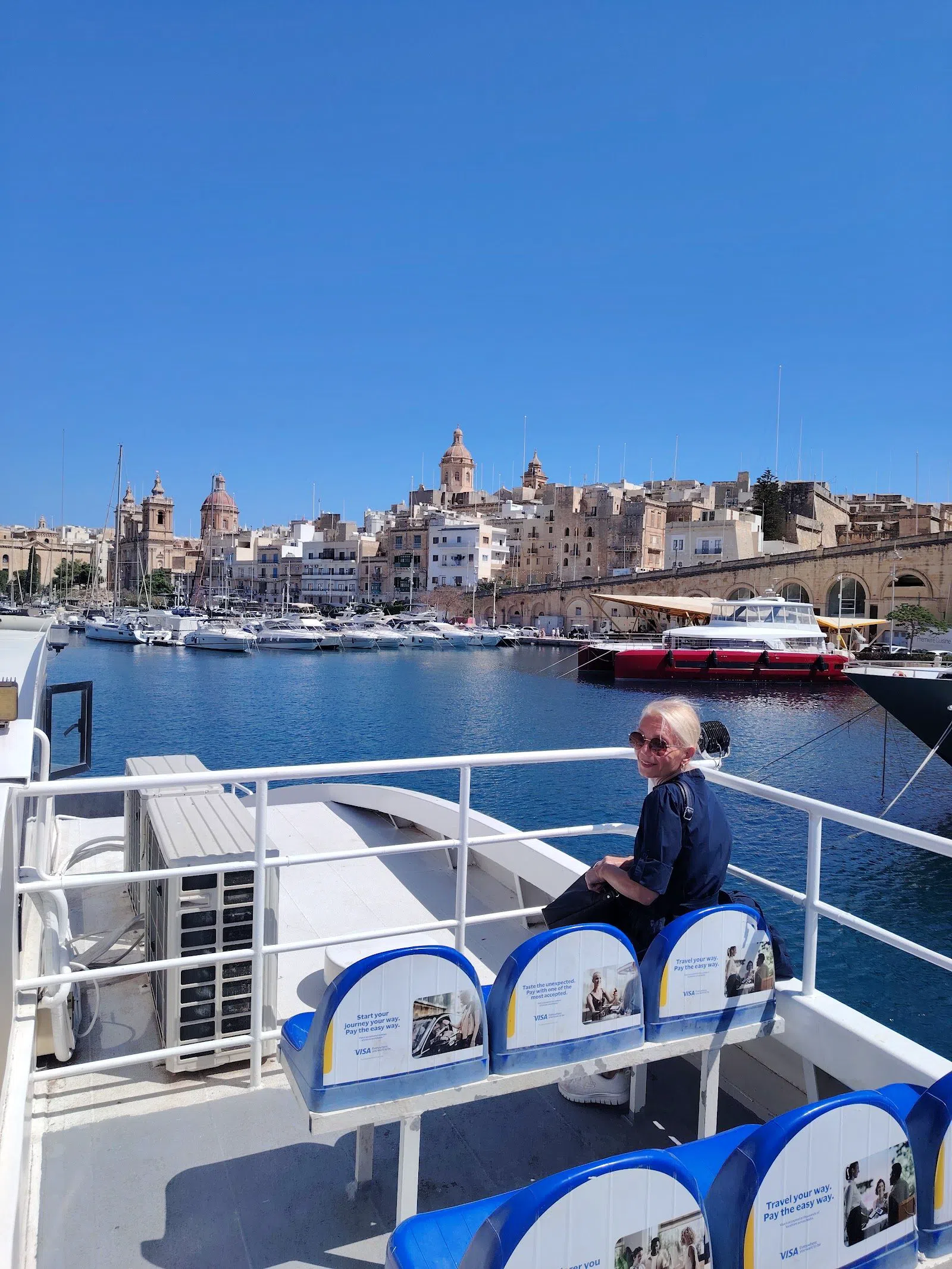
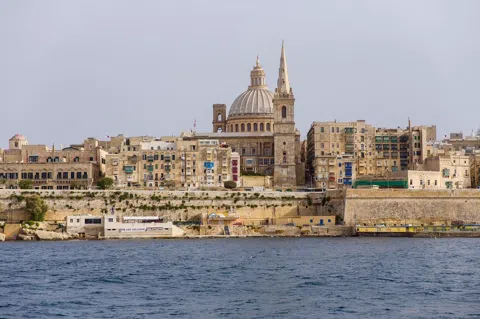
Valletta is a peninsula about a kilometre long with a harbour on each side and a ferry quay at the foot of the bastions on both. In September that shape does most of your planning for you: the sea is at its warmest of the year, the feast days cluster in the first ten days of the month, and nearly everything worth reaching is a boat ride rather than a bus ride. Build the days around the heat. Expect around 30°C in the middle of the day, and move the walking to either end of it.
The ferries out of Valletta beat the buses
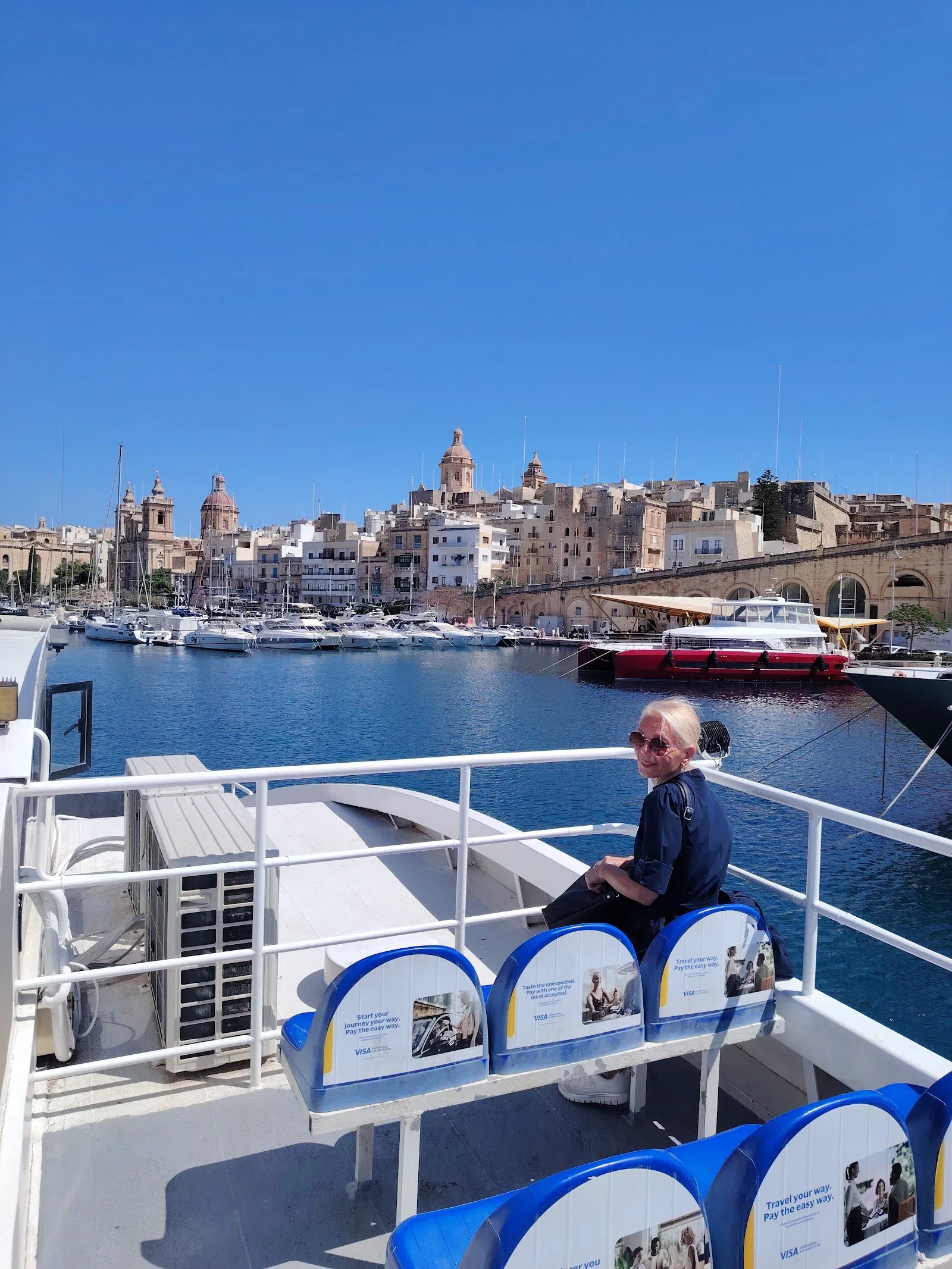
Two lines, one operator, both leaving from below the city walls. Valletta Ferry Services (quays at Marsamxett and Lascaris, directly under the bastions) runs the Sliema crossing out of Marsamxett Harbour and the Cospicua and Three Cities crossing out of Lascaris, each roughly every 30 minutes. A single is €1.50, a return €2.80, and after 19:30 the night service is €3.50 one way. There is no booking and no seat allocation. You walk on, a whole group boards together, and you pay by contactless card at the quay, which is quicker than eight people buying bus tickets one at a time. Anyone carrying a personalised tallinja card travels free.
The water wins on distance. Buses out of Valletta all start from the terminus outside City Gate, at the landward end of the peninsula, then drive around the head of the harbour to reach places you can see from the bastions. The ferry goes straight across. For the Three Cities in particular, the crossing is the difference between a short hop and a long road loop.
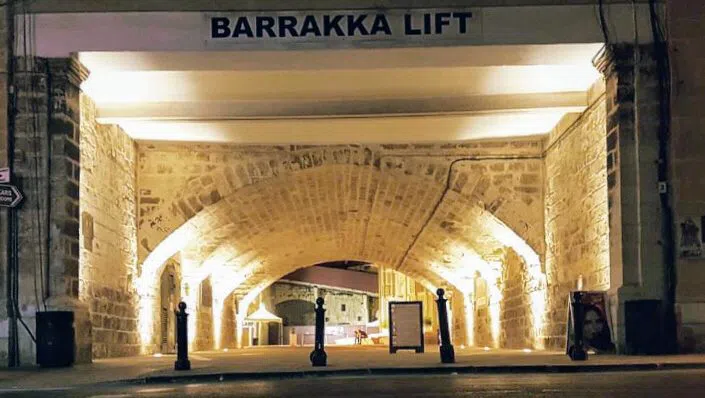
Coming back is where people underestimate the city. Lascaris Wharf sits at sea level and the streets sit on top of a fortified ridge. The Barrakka Lift (Upper Barrakka Gardens, Valletta) removes that climb: €1 for a same-day return, free with a personalised tallinja card, 21 people per car and about 800 an hour, so even a coach-sized group clears it in minutes. Keep your Cospicua ferry ticket, which includes the lift, worth remembering at four in the afternoon in September.
Plan your Valletta trip
Live prices from our booking partners.
Free cancellation on many rooms. We may earn a commission when you book.
Slow boats, harbour circuits and the run to Gozo
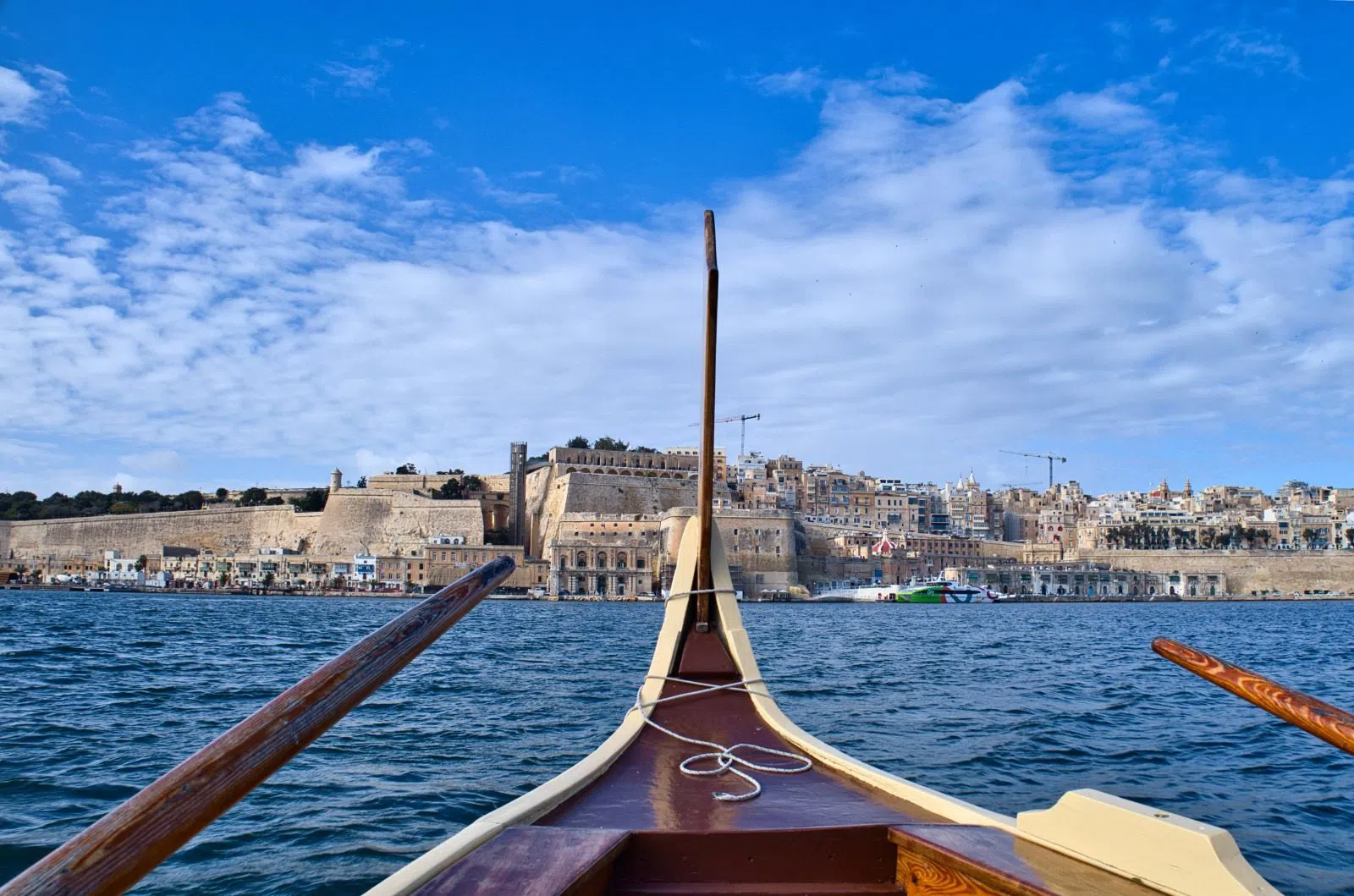
For the shortest crossing in the harbour, A & S Water Taxis (dgħajsa boats, Lascaris Wharf, Grand Harbour) take five minutes to Birgu and land you beside the Maritime Museum. The boats hold a maximum of six passengers and leave when they fill rather than to a timetable, so this suits couples and pairs; a group of twelve will split across two or three boats and arrive in instalments. Agree the fare before you step in: around €2 to €3 per person for the crossing, about €8 for a 30-minute loop around the harbour. Dgħajsa prices are not regulated the way the scheduled ferry's are, and that is the whole of the difference.
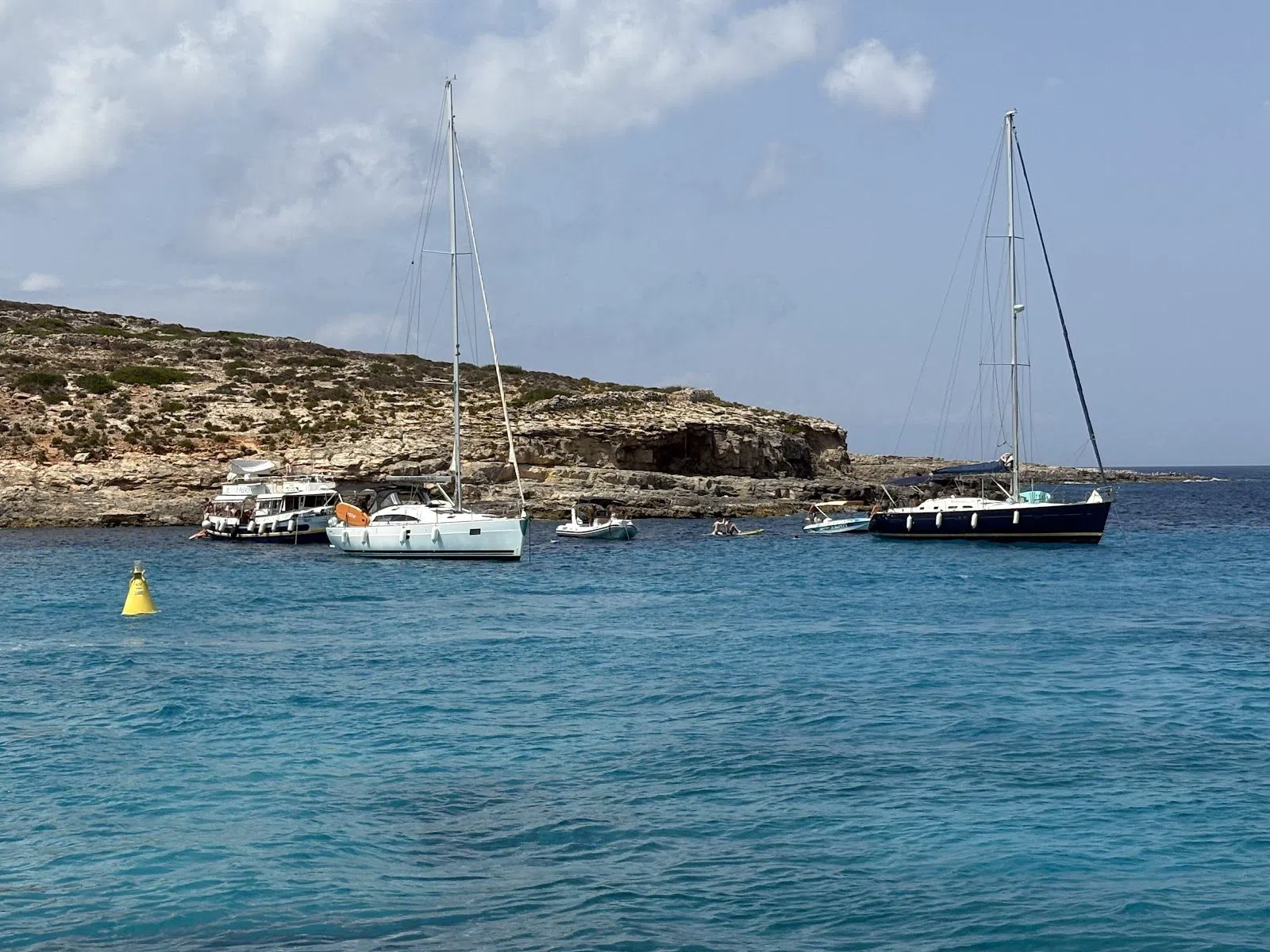
If you want the harbours read to you rather than crossed, Captain Morgan Cruises (Grand Harbour and Marsamxett) run a two-harbour circuit at roughly €25 to €35. It is a high-volume product built for numbers, with the Fernandes II gullet alone taking 180 people, and group and charter bookings handled as routine. What it does well is show you how the city was designed: the creeks, the fortified fingers of land, the reason every wall points where it does. That is a useful hour on a first visit. The operator also sells Comino and round-island trips, which are different days out; the two-harbour circuit is the one that explains Valletta.
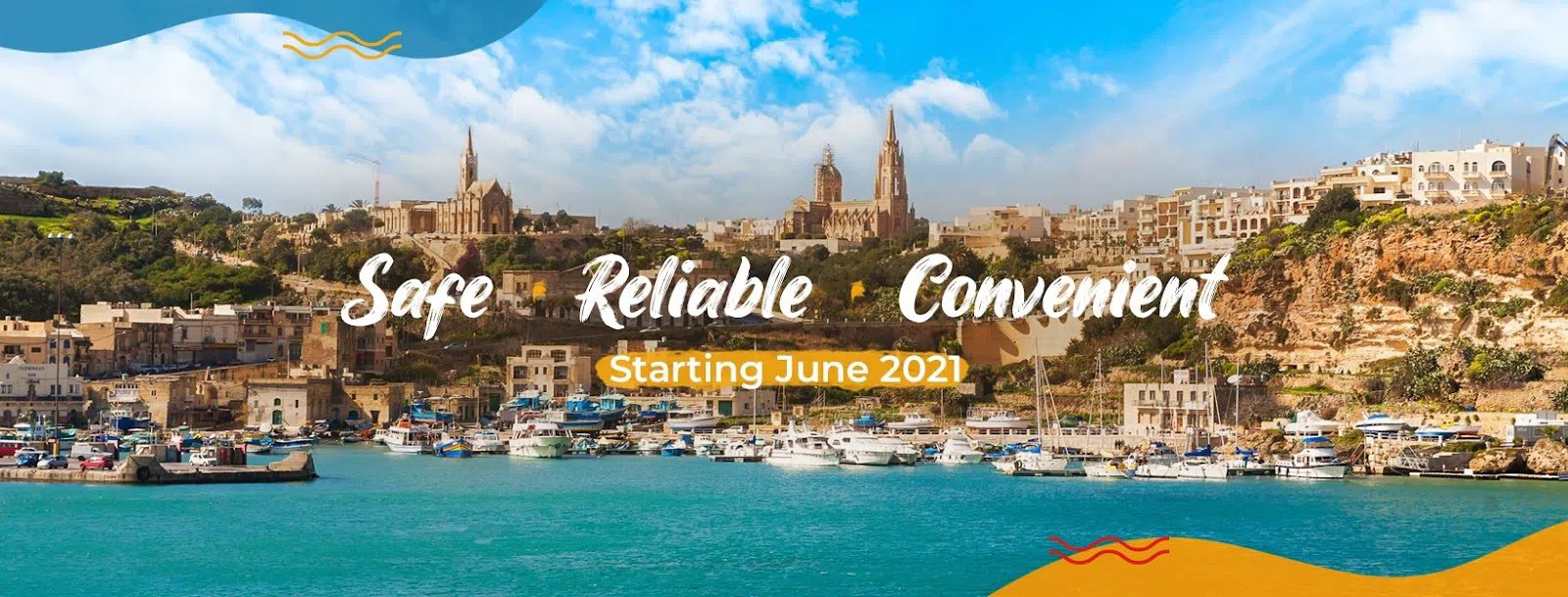
Gozo is a day trip rather than an expedition. Gozo Highspeed (Grand Harbour) crosses to Mġarr in under 45 minutes, year-round, from about €6 to €7.50 one way, on large vessels with an air-conditioned lounge and unreserved seating. Groups walk on; book ahead in the busy weeks. The caveat matters more than the price: strong-wind days get the service suspended at short notice, so do not put this crossing on the morning of your flight home. A second operator, Gozo Fast Ferry, works the same route, which gives you a second timetable to check when the wind picks up.
Swimming inside the city walls
St Elmo Bay (below Fort St Elmo, Valletta) is the only real swim inside the city, a few minutes on foot from the streets. It is free, unstaffed and small, rocky underfoot, with ladder access or a giant-stride entry into deep water. Divers use it to reach the HMS Maori wreck lying just offshore, so expect to share the entry point with people in kit.
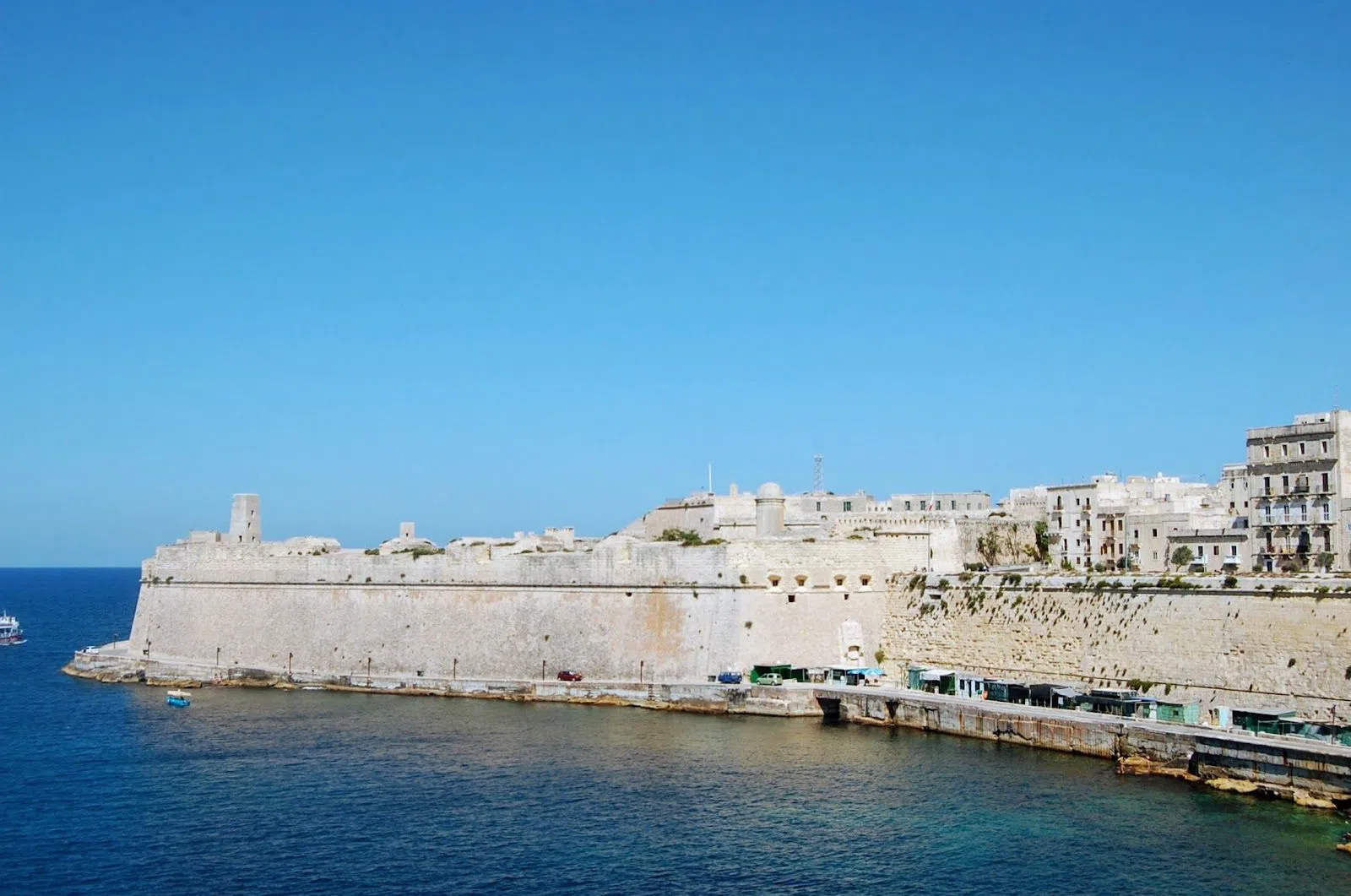
The limitation is size. Four or six people fit comfortably; a party of fifteen will fill the place and feel it. Go early in the morning or in the last two hours of light, both for space and because the rock holds September heat. Bring something for your feet, because the approach is not sand.
Ten minutes across the water
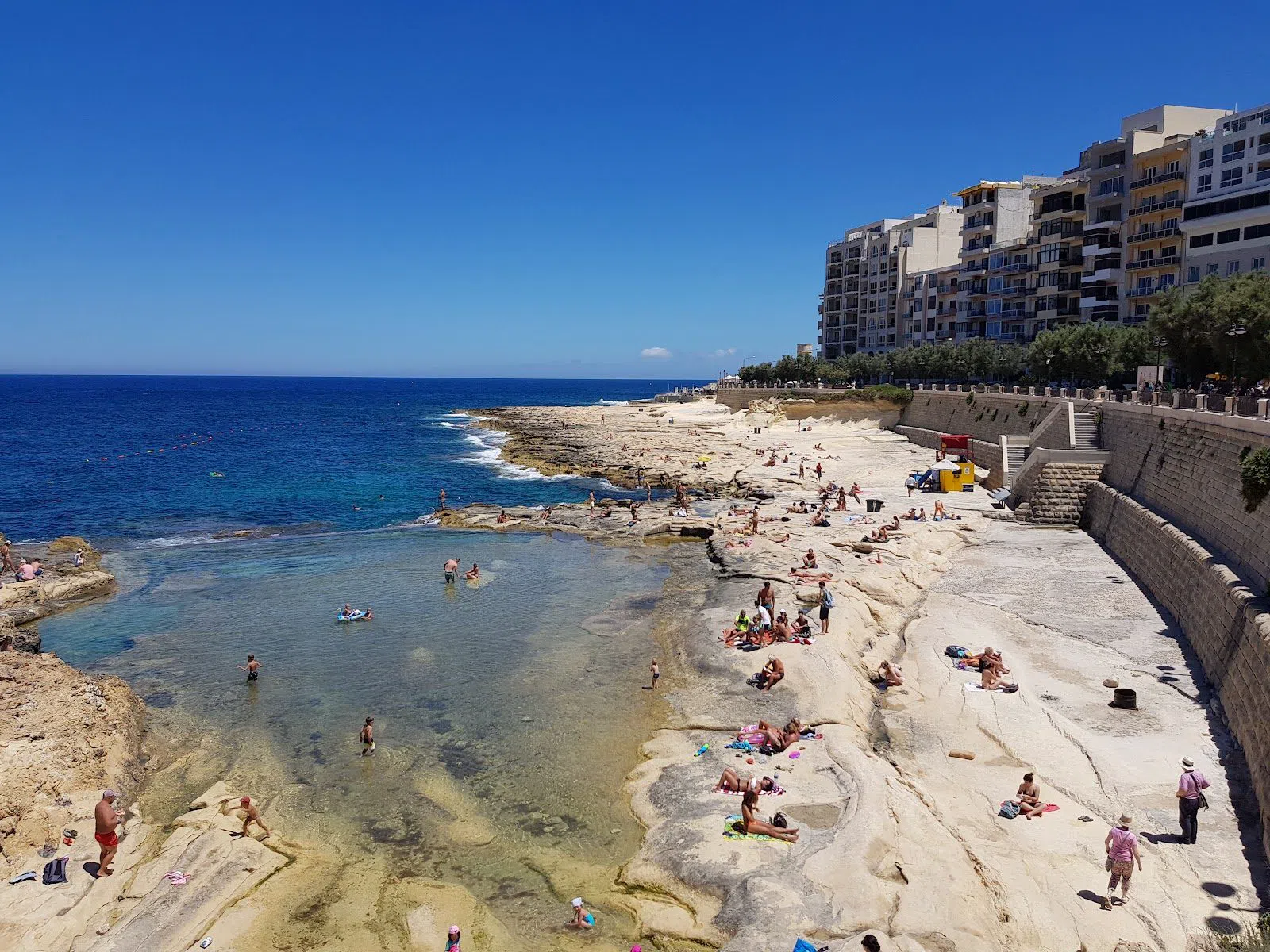
The Sliema ferry buys you two swimming options within a short walk of the far quay. Fond Għadir (Tower Road, Sliema) is open public foreshore with Blue Flag water. There is no door, no booking and no fee, and groups simply claim a slab of rock. In September the sea here is still around its warmest of the year, which is the single reason to prefer this month over July for swimming rather than sunbathing. Wear rock shoes rather than flip-flops: the flat shelves are comfortable, the edges are not.
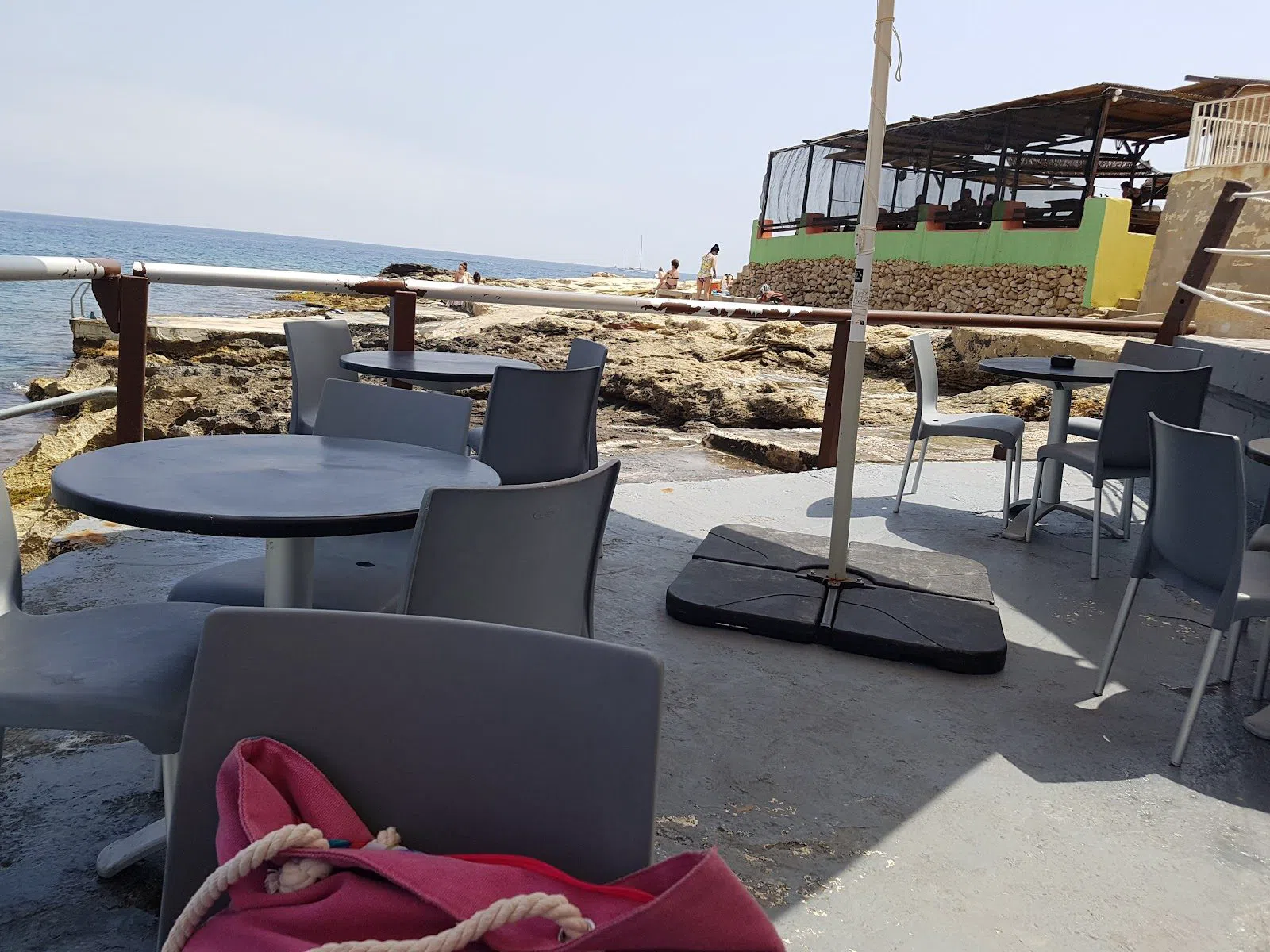
A little further along, Exiles (Sliema) gives you about 400 metres of roped swimming area with proper ladder access into deep water, plus toilets and a playground on the level above. The rocks are free. The lido terrace hires sunbeds at roughly €10 to €15 per person and runs a bar-restaurant, which is what makes it workable for a mixed group: the swimmers get the roped water, the people who want shade and lunch get a chair and a menu, and nobody has to negotiate. For two people who only want a swim, the free rocks alongside do the same job for nothing.
Sand, lagoons and a pool with a door policy
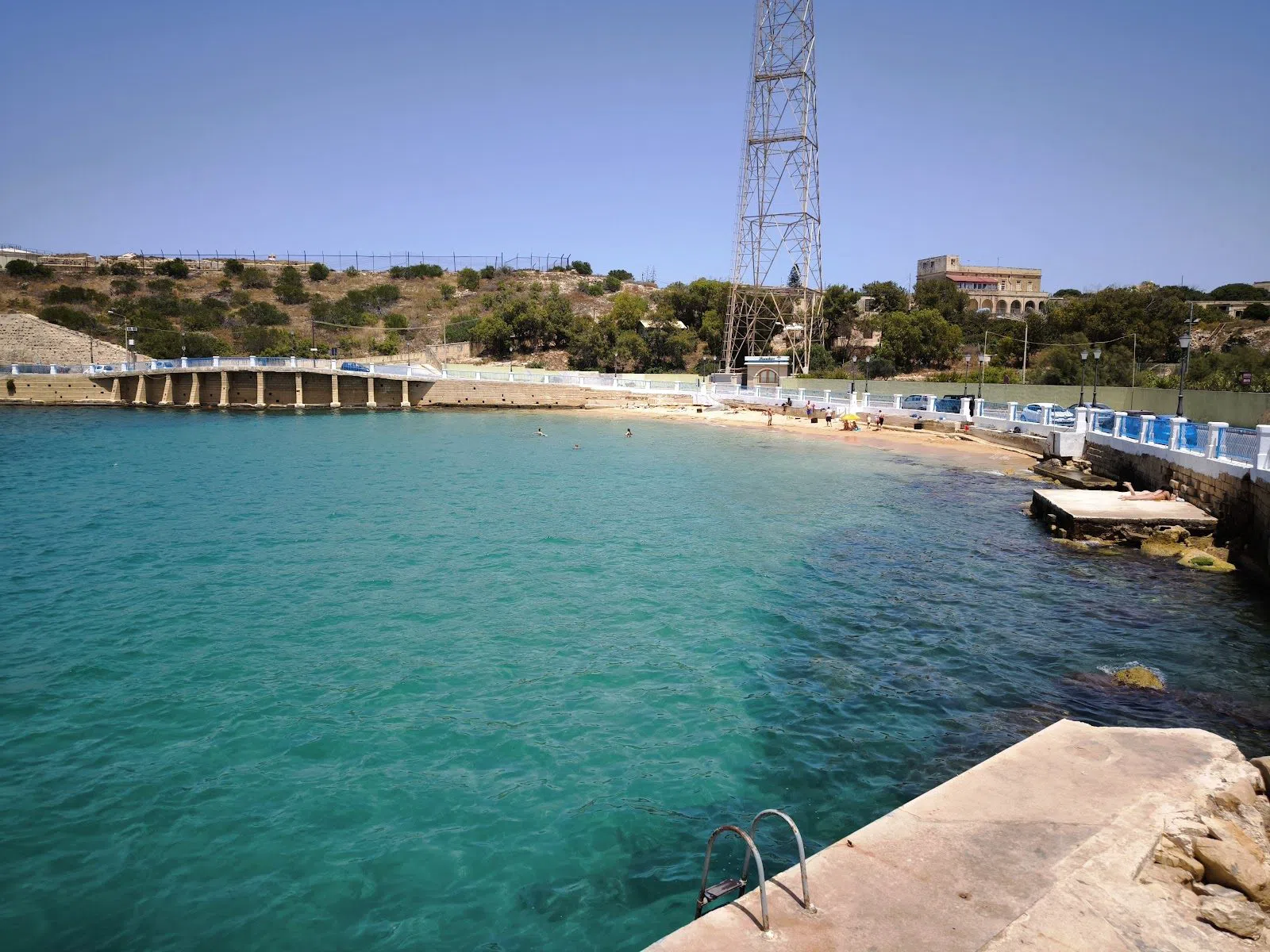
Rinella Bay (Kalkara, Grand Harbour) is the only genuinely sandy beach in the harbour area, shallow, calm and compact. Reach it on the Three Cities ferry and a short walk, or on bus 3. Compact is the operative word: it is fine for a group of six, and it feels full quickly, so treat a midday arrival on a warm September Sunday as a gamble.
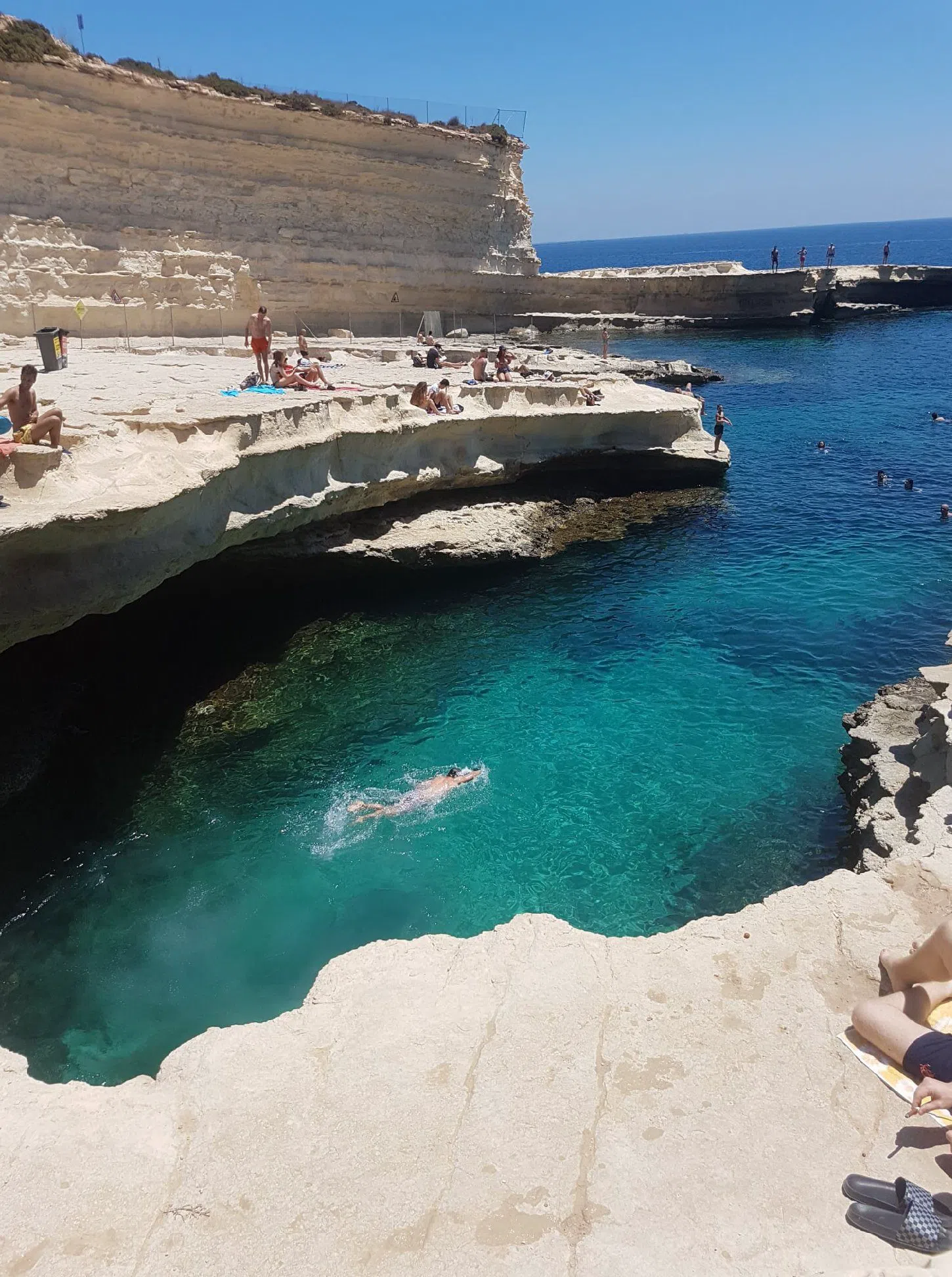
St Peter's Pool (Delimara, out past Marsaxlokk) is the longer trip and the better swim, a natural pool in the rock, free, unstaffed, open at any hour, with no shade and no facilities of any kind. Most groups arrive by boat rather than by road. A frejgatina from the harbour at Marsaxlokk costs roughly €5 to €10 per person, skips the crowd that gathers on the clifftop above the pool, and gets you into the adjoining lagoons you cannot reach on foot. Take water. There is nowhere to buy it, and September sun on bare limestone is harder work than September sun in a street.
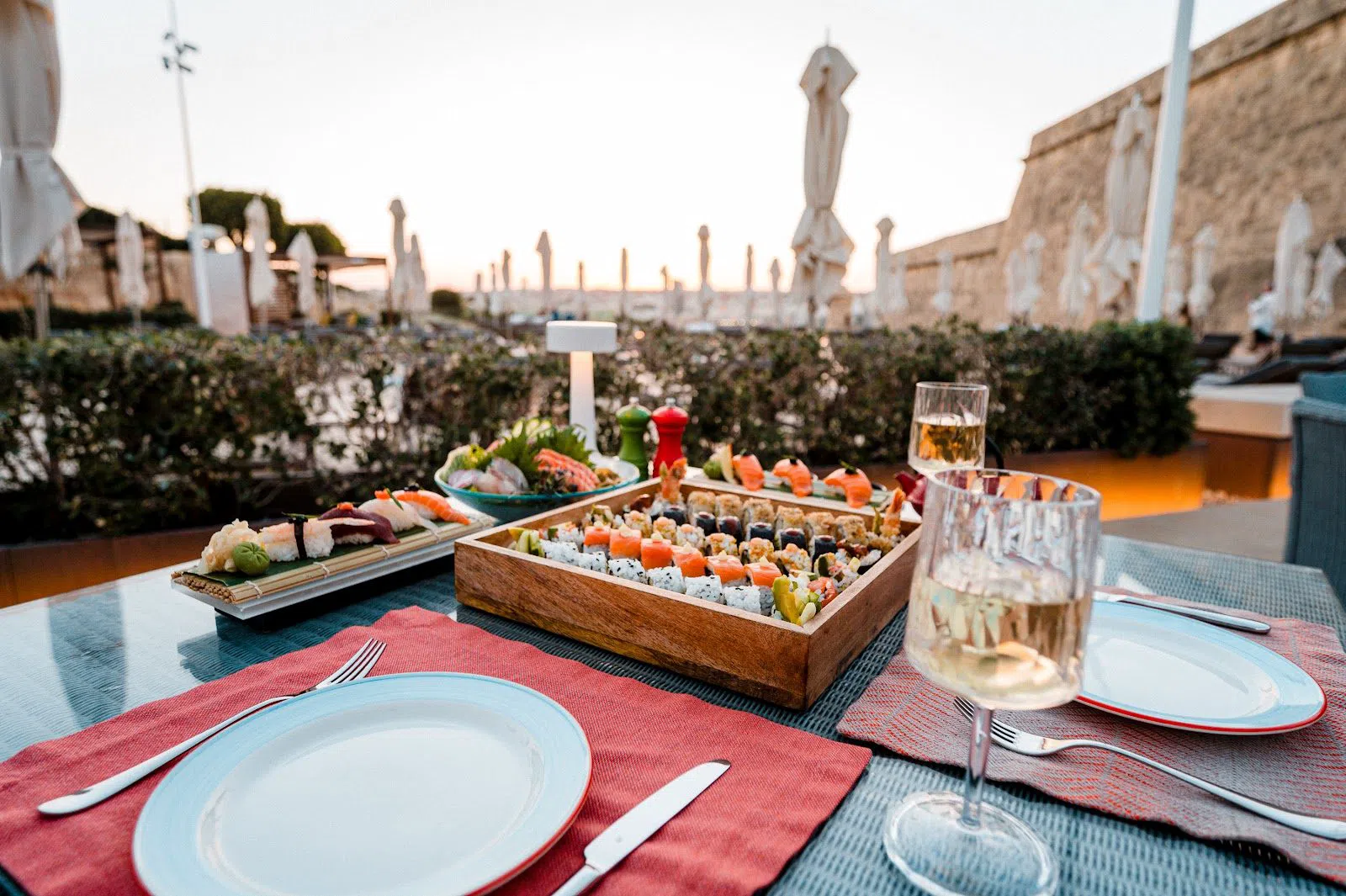
If the rocks are the problem rather than the sea, the Bastion Pool at The Phoenicia Malta (two minutes' walk from City Gate) is an infinity pool cut into the fortifications. It is adults only, 18 and over, and that door policy is enforced, so it is no use to a family group. Day passes run from €30 for a half day to €130 for a full package, with the access fee redeemable against food and drink, and capacity is limited, so reserve rather than turn up. It is seasonal: if you are travelling in the last week of September, confirm it is still running before you build an afternoon around it.
Festa nights in the first week of the month
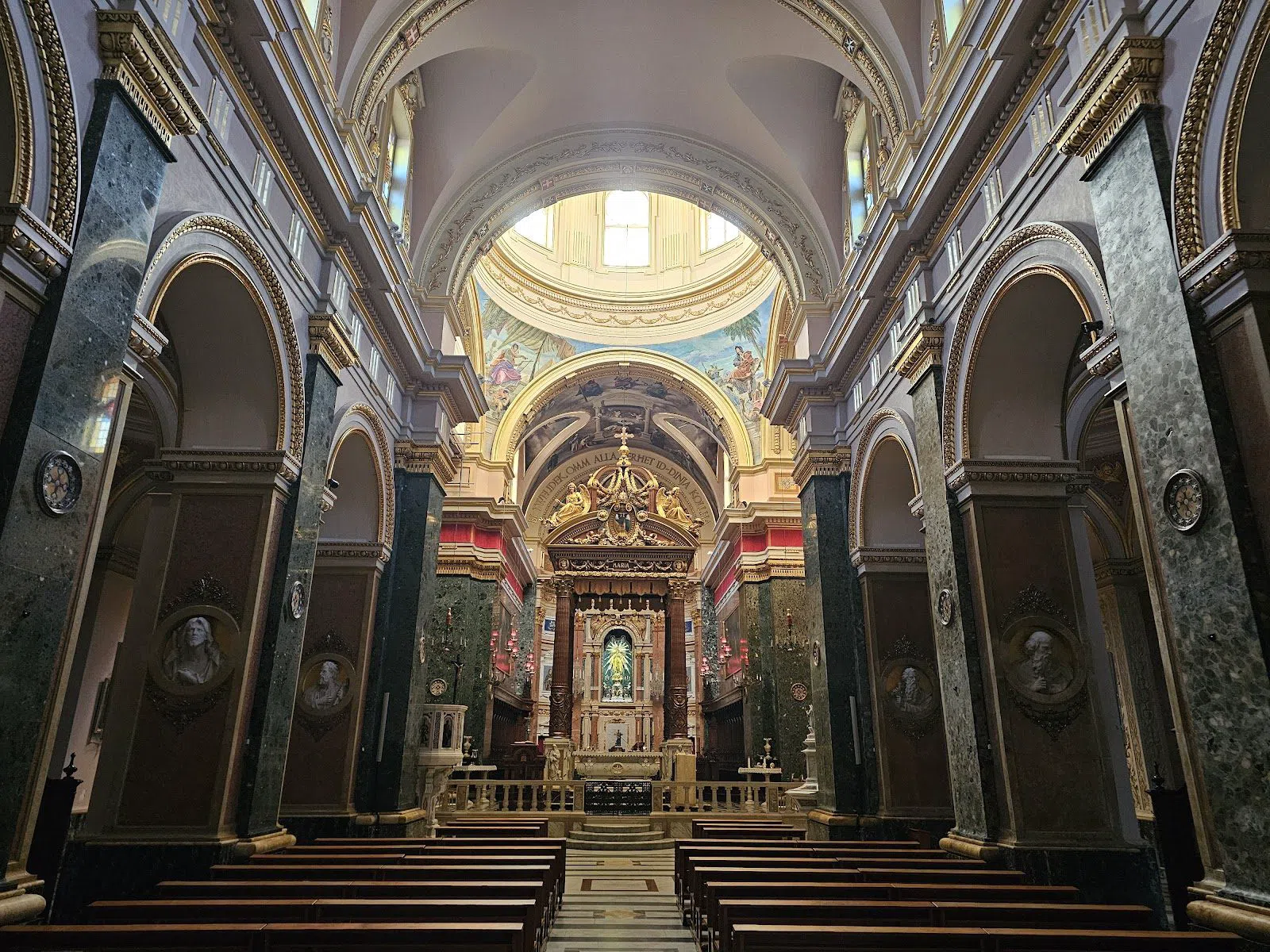
The first eight days of September are the reason to come now. The closest and easiest to reach is the Basilica of the Nativity of Our Lady, Senglea, a five-minute ferry across the Grand Harbour from Lascaris. Celebrations build over several days ahead of the 8 September feast, with band marches, streets hung with decorations and drapery, and fireworks. It is free, there is no booking of any kind, and on the feast night the streets are densely packed. Plan for the crush: keep the group together at a fixed meeting point, and check the night ferry times before you cross rather than after.
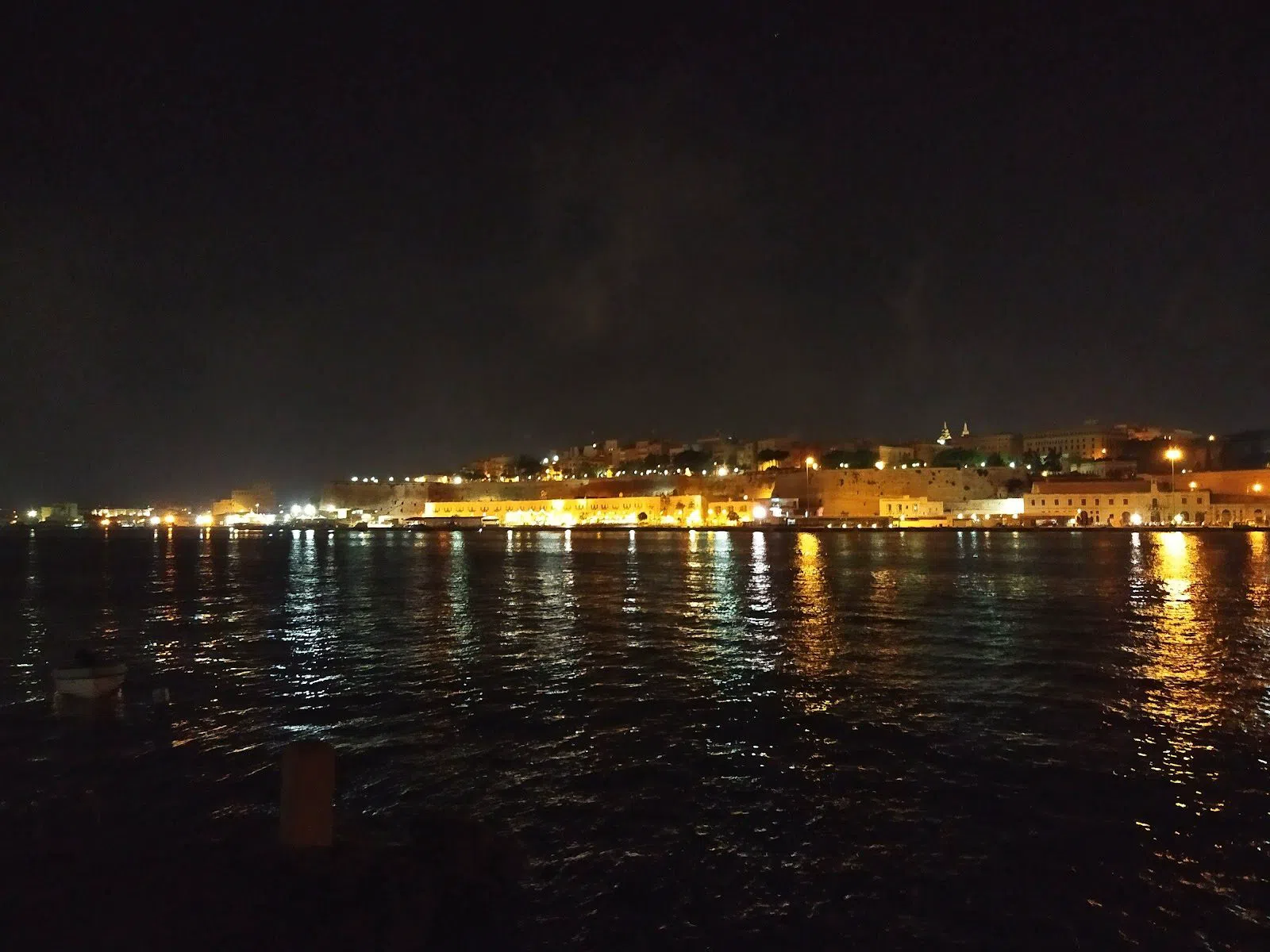
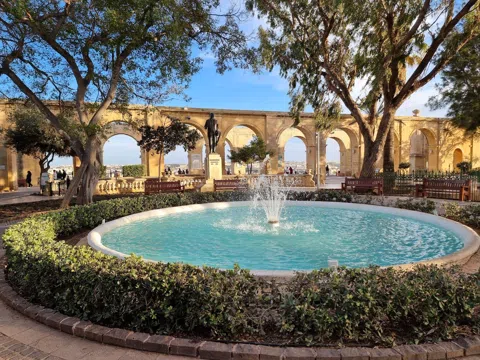
The same date brings the Victory Day Regatta, Grand Harbour: eleven races over 1,040 metres between eight harbour-town clubs, among them Cospicua, Kalkara, Marsa, Marsamxett, Senglea, Vittoriosa and Birżebbuġa. This is a serious local competition with long-standing rivalries, watched free from public ground. Upper Barrakka Gardens and the Saluting Battery give you the full length of the course from above; the Three Cities side puts you closer to the water and the clubs. Either way, arrive early. A rail spot is first-come, and group size means nothing to the organisers and everything to whether you can see anything.
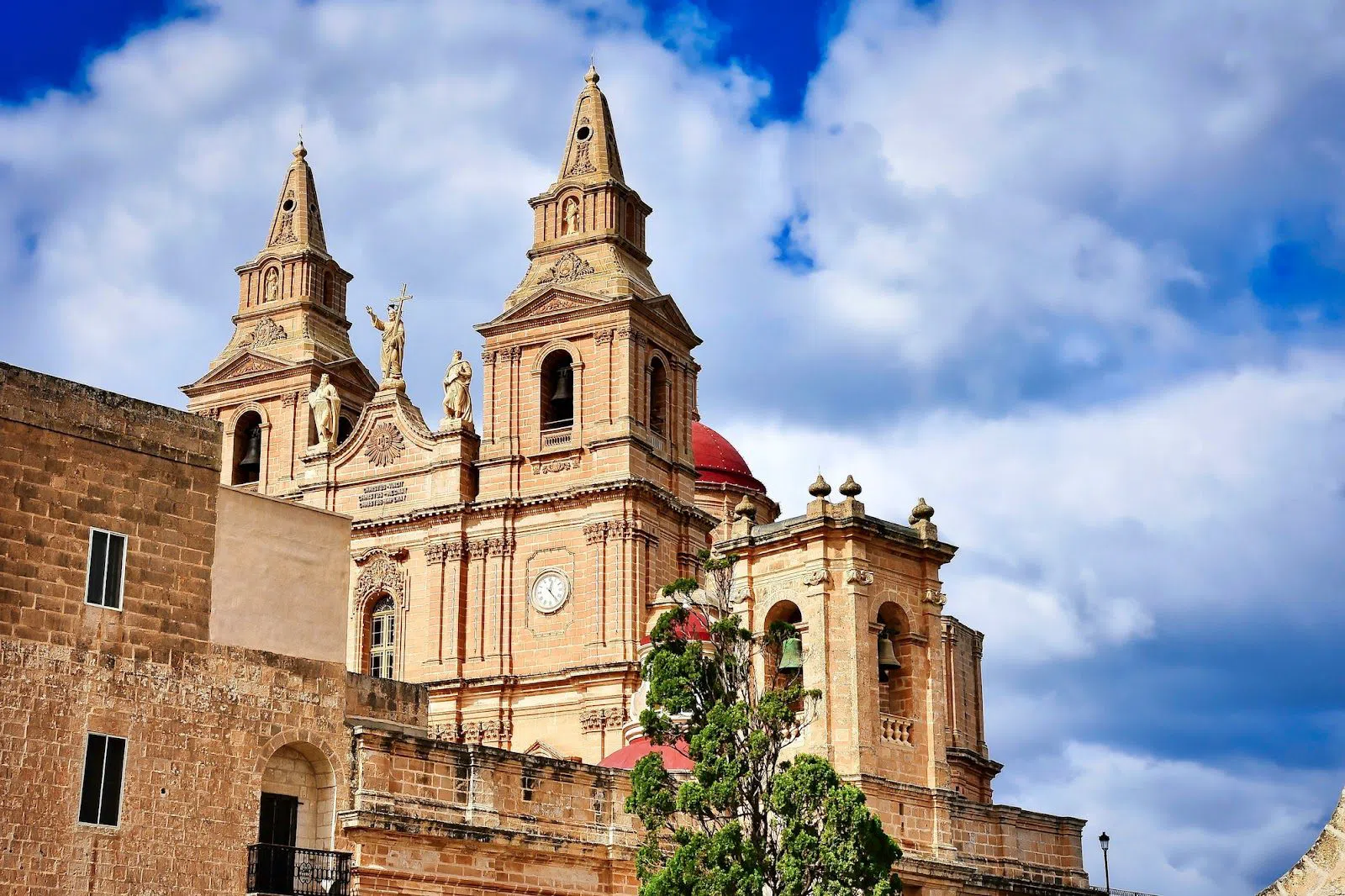
For fireworks specifically, the Mellieħa Nativity of Our Lady Festa is the one to travel for: a band march with ground fireworks on the Saturday, the procession at 20:00 and aerial fireworks from around 22:00 on the feast day itself. It is free and public, and a village's worth of people already attend, so a visiting group blends in. The catch is distance. This is a hilltop village well north of the harbour, and the return journey after a late fireworks display is the part to sort out before you go, not at 23:00 on the square.
Eating in the heat and a Friday on the steps
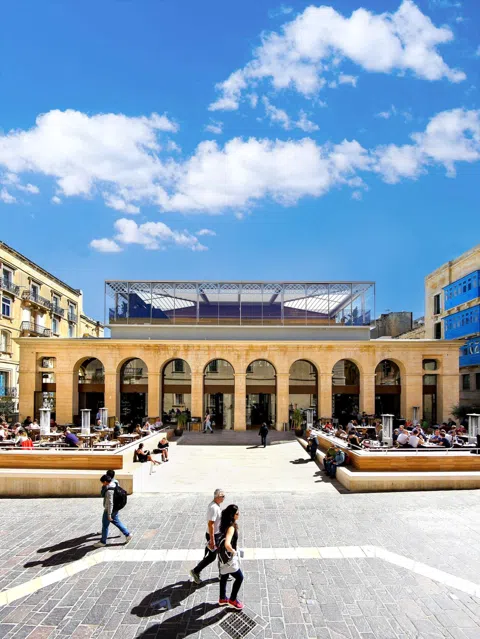
When it is 30°C and nobody in the party wants the same thing, Is-Suq tal-Belt (Merchants Street, Valletta) solves it structurally: 12 stalls, four corner stalls, two bars and two open-air restaurants, air-conditioned and open every day. Plates run roughly €8 to €20. Everyone orders from a different counter and still sits together, so there is no single booking, no compromise menu and no thirty-minute discussion. It is a food hall and it behaves like one, so do not go expecting an intimate dinner.

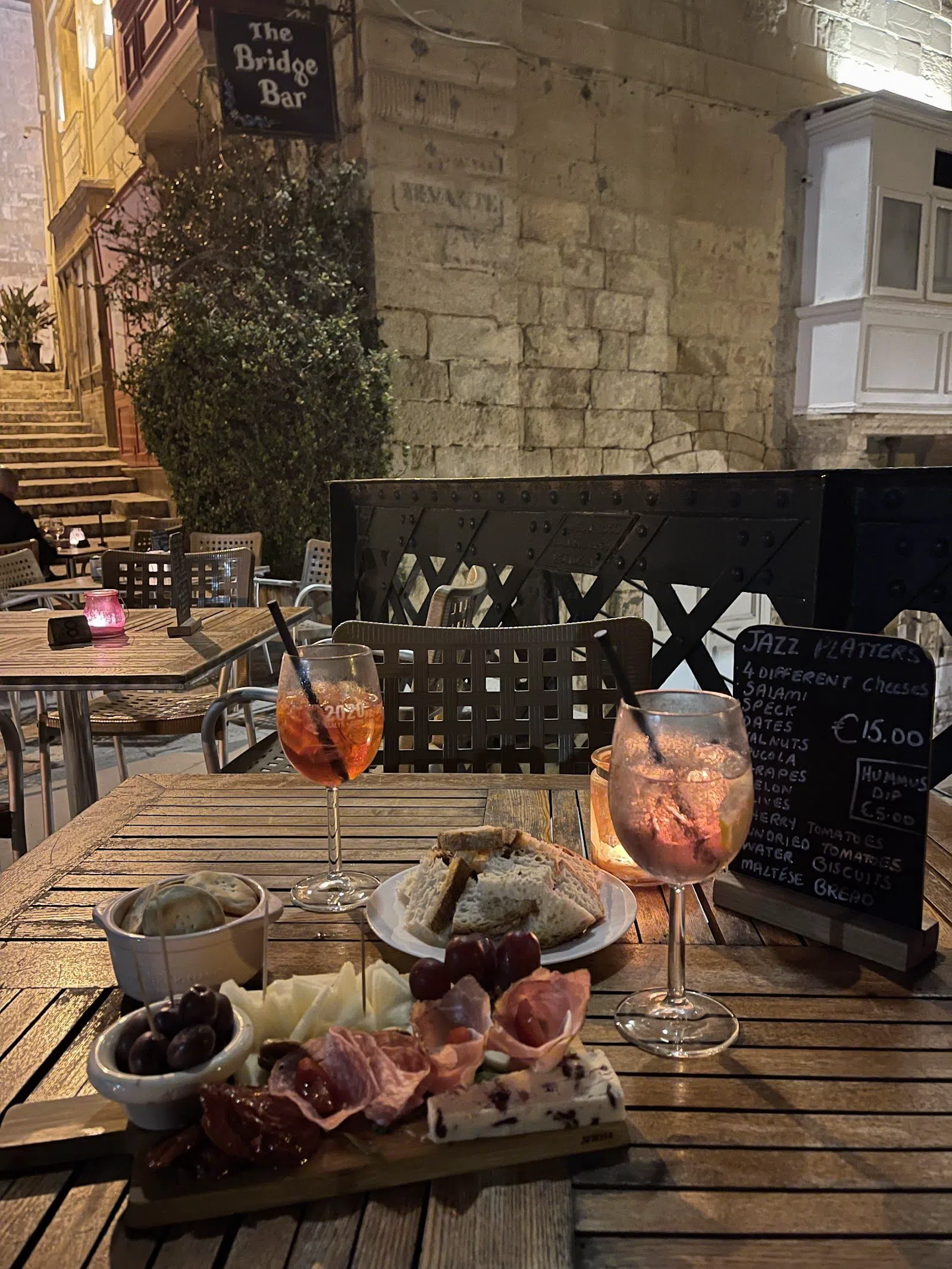
For a drink afterwards, Bridge Bar (lower Valletta) puts cushions on a flight of stone steps and runs live jazz on Friday nights from May to the end of November, so September catches the season in full. Opening is Tuesday to Saturday, 19:00 to midnight, drinks are €4 to €8 and platters cost extra. There is no door policy and no booking, which cuts both ways: the Friday crowd spills down the steps and seating is strictly first-come, so arrive near opening if you want to sit rather than stand. Two people will always find a step. Ten will be standing.
The rest of the city (the museums, the streets, the things to do when the sun is at its worst) sits in the Valletta guide.
Practical notes
Transport. The two ferry lines and the Barrakka Lift will cover most of a week: €1.50 to €2.80 per ferry crossing, €1 for a lift return, free on both with a personalised tallinja card. Ferries run roughly every half-hour, and the Sliema and Three Cities night service continues after 19:30 at €3.50 a single. Buses matter for Rinella Bay (bus 3), Marsaxlokk and the run north to Mellieħa; check the last departure before a late festa, because that journey is the one that strands people.
Cash. The scheduled ferries take contactless at the quay. Carry notes and coins for the dgħajsa crossing, the frejgatina out to St Peter's Pool, and festa street stalls. None of those are card-first, and the dgħajsa fare is agreed rather than metered.
Timing. Swim early or after 16:00. Keep the middle of the day for the market, the lift and anything indoors. The feasts and the regatta fall on and around 8 September, so if that week is the point of the trip, book accommodation well ahead. Beds inside the walls go first, and staying in Valletta itself puts you within five minutes' walk of both quays. Start from the Valletta hotel search.
Budget. A day of ferries, a free rocky swim and a festa night costs under €10 a head in transport. Add €25 to €35 if you take the two-harbour cruise, €6 to €7.50 each way for Gozo, €10 to €15 for a sunbed at the lido, or €30 upwards for the hotel pool. The sea, the band marches and eleven boats rowing 1,040 metres in front of the bastions all cost nothing.
Before you go
Is the sea warm enough to swim near Valletta in September?
Yes. September has around the warmest sea temperatures of the year, which is the main reason to prefer it over midsummer for swimming. Fond Għadir on Tower Road has Blue Flag water and is about ten minutes from Valletta on the Sliema ferry. Bring rock shoes rather than flip-flops; almost every swim near the city is off limestone, not sand.
Is the ferry or the bus better for getting out of Valletta?
The ferry, for anywhere across either harbour. Valletta Ferry Services runs two lines from under the bastions: Sliema from Marsamxett, and Cospicua and the Three Cities from Lascaris. Both go roughly every 30 minutes at €1.50 single and €2.80 return, and both are faster than the bus, which leaves from the terminus outside City Gate and drives around the head of the harbour. Buses still matter for Rinella Bay, Marsaxlokk and Mellieħa.
Which September feast can I reach from Valletta without a car?
The Nativity of Our Lady festa at the Basilica in Senglea is a five-minute ferry across the Grand Harbour. It is free and needs no booking, and it builds over several days before the 8 September feast, with band marches, decorated streets and fireworks. The streets are densely packed on the feast night, so check the night ferry times before you cross.
Do I need to book the Gozo ferry in advance?
Book ahead in peak weeks, though seating is unreserved either way. Gozo Highspeed leaves Grand Harbour and reaches Mġarr in under 45 minutes from about €6 to €7.50 one way, with an air-conditioned lounge. Wind is the thing to plan around: the service is suspended at short notice on strong-wind days, so avoid scheduling the crossing on a departure day, and keep the second operator's timetable as a fallback.
Can I swim in Valletta itself, or do I have to leave the city?
St Elmo Bay, below Fort St Elmo, is the only genuine swim inside Valletta, a few minutes' walk from the streets. It is free and unstaffed, rocky underfoot, with ladder or giant-stride entry into deep water that divers use to reach the HMS Maori wreck. It is small, and a large group will fill it, so go early or late. For a pool instead, the adults-only Bastion Pool at The Phoenicia is two minutes from City Gate on a day pass from €30.